Actualizado en octubre de 2026 · Revisado por David Schielke, agente inmobiliario CRECI-RJ 089162/O · Fuentes: FipeZAP (Fipe), ADEMI-RJ/Brain, Banco Central de Brasil, listados de Oabitat
El mercado inmobiliario residencial de Río de Janeiro es el décimo más caro de Brasil según el precio de venta: R$ 11 131 por m² en toda la ciudad en julio de 2026, lo que representa un aumento de 4,72 % en doce meses (FipeZAP). Los barrios más exclusivos frente al mar alcanzan entre dos y dos veces y media esa cifra — Leblon R$ 28 432/m² y Ipanema R$ 26 178/m² — que es donde se encuentran la mayoría de las propiedades de esta página. Oabitat cuenta actualmente con 167 propiedades en venta en Río de Janeiro, desde R$ 1.0 millón hasta R$ 60 millones, con un precio de venta medio de R$ 3.7 millones; los listados que se muestran a continuación se actualizan a medida que las propiedades entran y salen del mercado.
¿Compara Río con otras ciudades de Brasil? Vea nuestra página de inmuebles en venta en Brasil – qué compra R$ 1 millón en São Paulo, Florianópolis, Salvador y Río.
Utilice el buscador de arriba para filtrar por barrio, precio, número de recámaras y tipo de propiedad, o siga leyendo para saber qué significan las cifras, qué se puede adquirir con un presupuesto determinado en cada barrio y cómo un comprador extranjero puede realizar una compra aquí.
Casi toda la demanda extranjera y de alto nivel de la ciudad se concentra en la Zona Sul —la franja de barrios situada entre las playas y el bosque de Tijuca—, además de los enclaves cerrados en las laderas de Joá y São Conrado. El inventario de Oabitat refleja esto: Ipanema (61 propiedades en venta), Copacabana y Leme (36), Leblon (28), Lagoa (9), Gávea y Urca (6 cada uno), Jardim Botânico y São Conrado (4 cada uno), con propiedades individuales en Botafogo, Flamengo, Joá, Santa Teresa y Barra da Tijuca. Por tipo: 137 departamentos, 64 áticos, 22 casas y 14 unidades en desarrollos nuevos (los anuncios pueden incluir más de un tipo).
La tabla muestra el precio promedio de venta por metro cuadrado de FipeZAP para los barrios que analiza en la ciudad (julio de 2026), la variación respecto a la cifra de FipeZAP de septiembre de 2025 para el mismo barrio, y el precio de venta mediano por m² de los anuncios actuales de Oabitat, en los casos en que contamos con suficientes para proporcionar un valor. Nuestras medianas se sitúan por encima del promedio de FipeZAP en todos los barrios: FipeZAP promedia todos los departamentos anunciados, mientras que nuestros listados se inclinan hacia unidades en primera línea, renovadas y en pisos altos.
| Barrio | Precio de venta de FipeZAP, julio de 2026 | Variación desde septiembre de 2025 | Anuncios de Oabitat, precio de venta medio (octubre de 2026) |
|---|---|---|---|
| Leblon | R$ 28 432/m² | +11.6 % | R$ 31 600/m² (28 anuncios) |
| Ipanema | R$ 26 178/m² | +6.9 % | R$ 27 500/m² (61 anuncios) |
| Lagoa | R$ 17 462/m² | +0.9 % | R$ 17 800/m² (9 anuncios) |
| Barra da Tijuca | R$ 14 396/m² | +3.7 % | — |
| Copacabana | R$ 13 479/m² | +7.2 % | R$ 21 000/m² (33 anuncios) |
| Botafogo | R$ 13 134/m² | +1.0 % | — |
| Flamengo | R$ 12 492/m² | +3.1 % | — |
| Laranjeiras | R$ 10 882/m² | +1.4 % | — |
| Río de Janeiro, promedio de la ciudad | R$ 11 131/m² | +4.0 % | R$: precio mediano de 3,7 M (167 anuncios) |
| Brasil, índice compuesto FipeZAP (50 ciudades) | R$ 9 900/m² | +5,46 % (12 meses) |
Fuentes: Índice de Venta Residencial de FipeZAP, ediciones de julio de 2026 y septiembre de 2025 (Fipe/ZAP); base de datos de anuncios de Oabitat, 2 de octubre de 2026. Los barrios que no son objeto de seguimiento por parte de FipeZAP (Urca, Gávea, Jardim Botânico, Joá, São Conrado, Leme) se citan únicamente a partir de nuestros propios listados en las páginas correspondientes a cada barrio.
Hay tres aspectos que se destacan. Leblon e Ipanema se están distanciando del resto de la ciudad: sus precios de venta subieron aproximadamente el doble de rápido que el promedio de la ciudad durante el último año, a pesar de que la oferta de terrenos frente al mar es muy limitada. Copacabana es el caso atípico en sentido contrario: a R$ 13 479/m², cuesta la mitad que en Ipanema por la misma playa, razón por la cual atrae tanto a compradores que buscan renovar propiedades como a inversionistas en alquileres a corto plazo. Y la ciudad en su conjunto sigue siendo más económica que los mercados turísticos de Brasil —Vitória, Itapema y Balneário Camboriú se cotizan por encima de R$ 15 000/m²—, a pesar de que en Río existe una mayor demanda de alquiler.
Los promedios de FipeZAP ocultan una variación de entre 30 y 40 % dentro de un mismo barrio, y se basan en unas cuantas reglas sencillas que aplicamos en cada valoración. En Ipanema, las cuadras más caras son las Cuadrilátero — la zona comprendida entre la Praça Nossa Senhora da Paz y el límite con Leblon, de dos a cuatro calles hacia el interior desde la playa — donde los departamentos renovados y los nuevos edificios boutique marcan el límite máximo de precios del barrio. Dentro del Quadrilátero, las calles tranquilas alcanzan un precio aún más elevado que las vías de paso: Calle Redentor, por ejemplo, está cerrada al tráfico de paso en ambos extremos y los edificios que la integran comparten los gastos de seguridad privada de la calle, razón por la cual es una de las direcciones más codiciadas de Ipanema y sus propiedades se cotizan por encima de las de las cuadras aledañas. Al avanzar hacia el este por la arteria principal del barrio, Calle Visconde de Pirajá (que se convierte en la Avenida Ataulfo de Paiva en Leblon), los precios bajan para los departamentos que dan a la avenida misma: por ahí circulan los autobuses de la Zona Sul y el tráfico de paso, y el ruido se refleja en el precio; el mismo plano de departamento en una calle lateral paralela cuesta más. Al final de la avenida, las cuadras alrededor de la calle Gomes Carneiro y la plaza General Osório —que siguen perteneciendo a Ipanema, pero que localmente se conocen como "Copanema" — son notablemente más económicos por metro cuadrado: allí aún se puede encontrar un departamento renovado de tres recámaras por alrededor de R$ 2 millones, algo que el Quadrilátero no ha ofrecido desde hace años. Los departamentos suelen ser más antiguos y más amplios, y la ubicación sigue siendo Ipanema —lo cual es precisamente la razón por la que Copanema representa la oportunidad que recomendamos a los inversionistas en alquileres a corto plazo: un huésped que busque "Ipanema" en Airbnb encontrará el anuncio; el propietario pagó los precios de Copanema por el inmueble, y, ya sea en la Avenida Rainha Elizabeth o en la Rua Joaquim Nabuco, la playa sigue estando a solo unos minutos a pie. El tercer factor es la proximidad al Pavão-Pavãozinho–Cantagalo comunidad, que se extiende a lo largo de la ladera desde Ipanema hasta Copacabana: cuanto más cerca se encuentra una calle de ella, y sobre todo de sus entradas por escaleras, menor es el precio por metro cuadrado, independientemente de la calidad del edificio. Leblon presenta el mismo patrón a menor escala: las cuadras contiguas a la Cruzada de San Sebastián El complejo residencial junto al Shopping Leblon tiene precios más bajos que el resto del vecindario, mientras que Alto Leblon, situado en la ladera, vende vistas en lugar de proximidad a la playa. En toda la Zona Sul se aplica la regla general: cada cuadra más cercana a la arena agrega valor, y una vista frontal al mar agrega más valor que cualquier renovación.
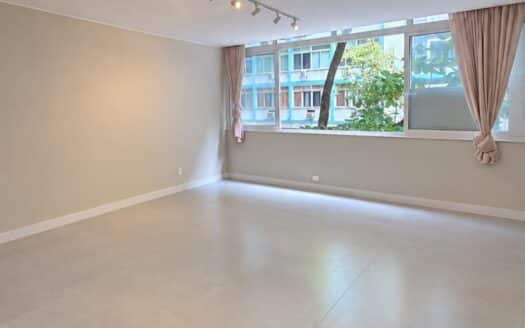
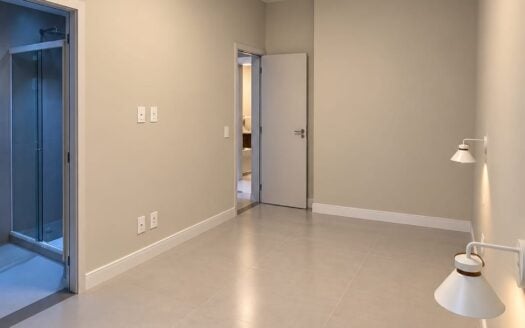
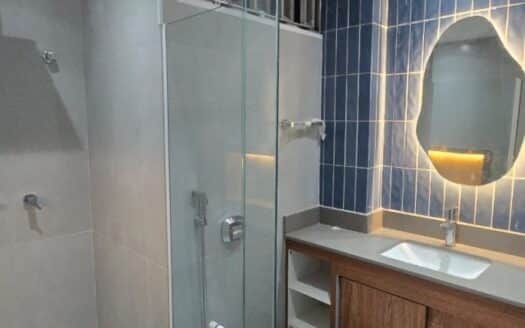
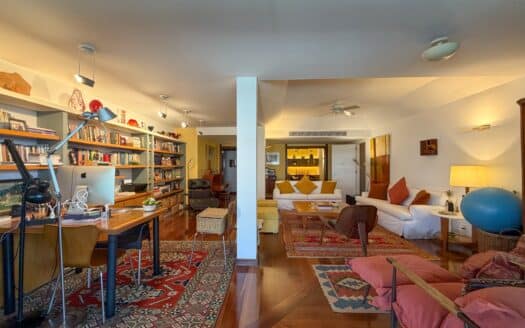
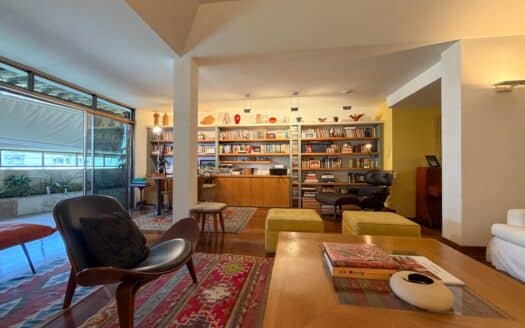
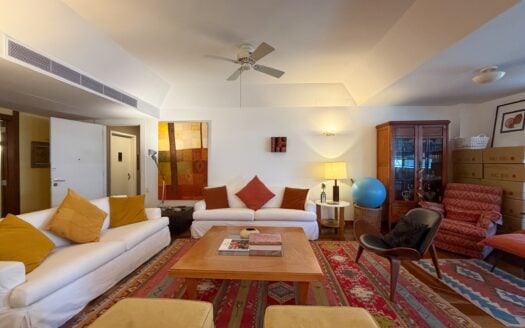
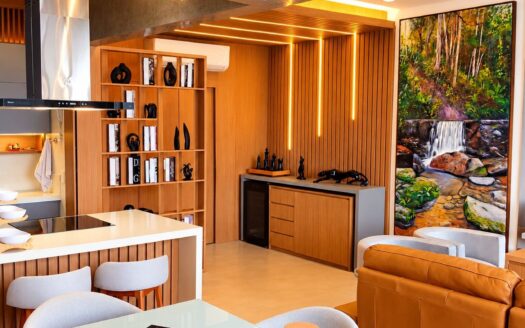
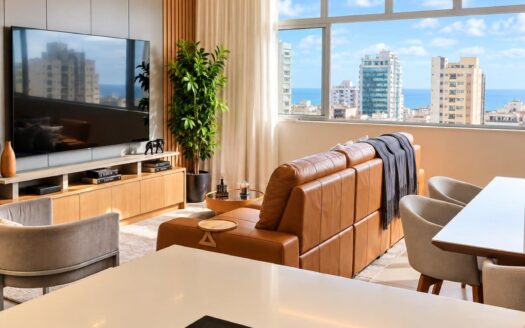
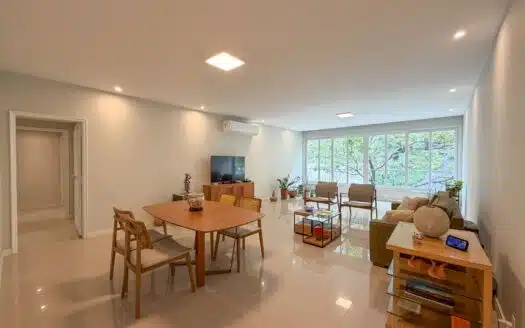
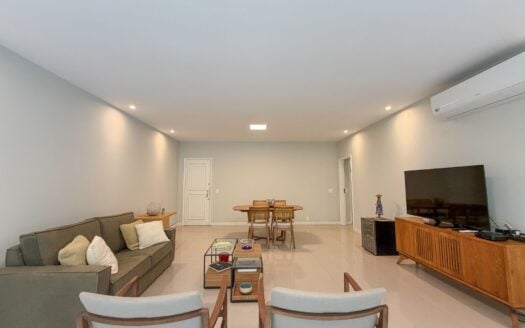
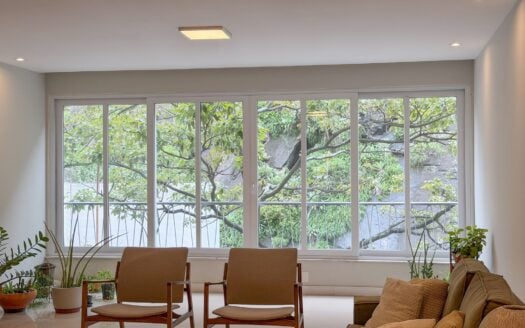
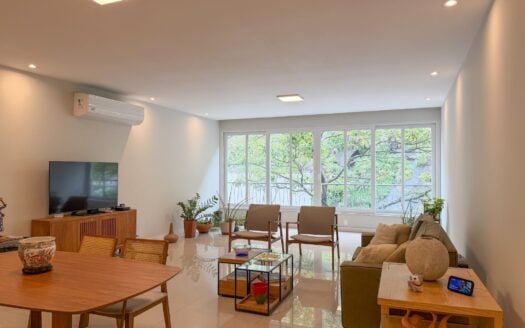
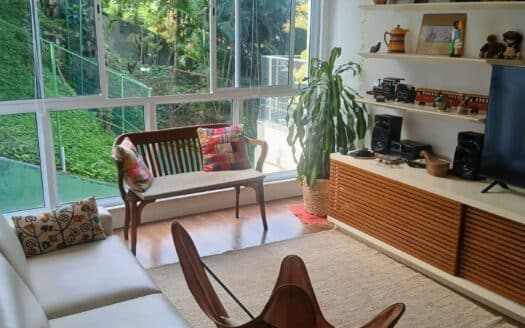
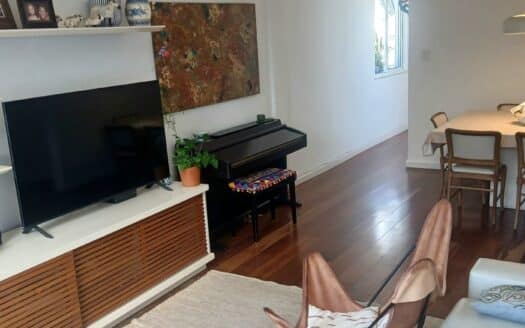
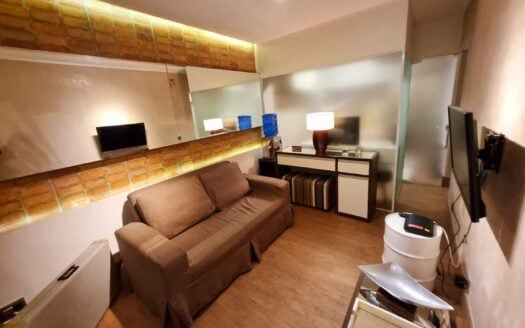
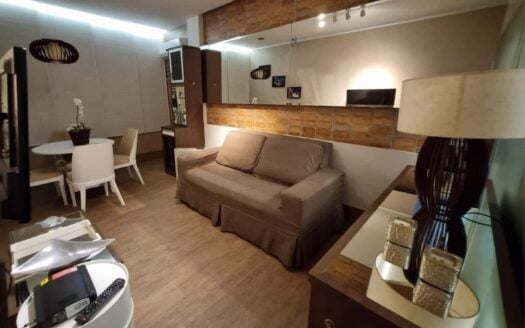
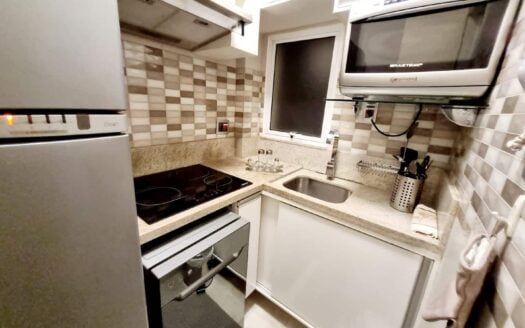
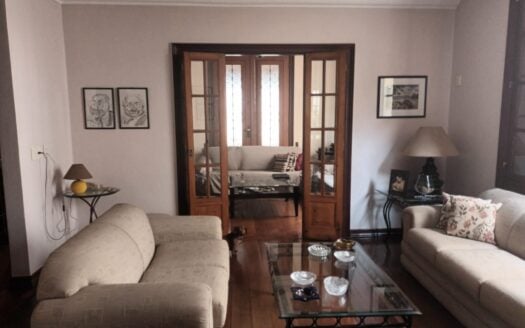
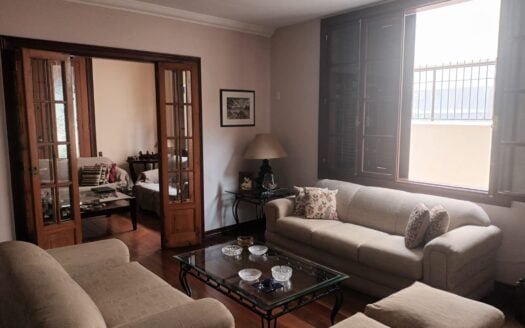
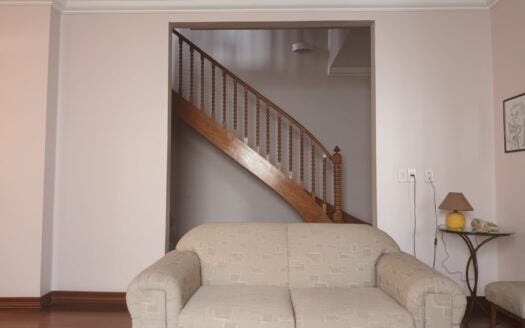
Ejemplos de nuestros anuncios actuales (octubre de 2026); cada uno incluye un enlace al anuncio activo y se reemplaza cuando se vende.
Precios. Los precios de venta en Río aumentaron 4,72 % en los doce meses hasta julio de 2026 y 2,76 % en los primeros siete meses del año, ligeramente por debajo del índice compuesto nacional FipeZAP (+5,46 %), aunque los barrios más exclusivos se situaron muy por encima de este. Rentas son el dato más destacado: las rentas solicitadas en la ciudad alcanzaron R$ 59,87/m² al mes en junio de 2026, lo que representa un aumento interanual de 11,65 % —dos veces y media la tasa de inflación del IPCA, que fue de 4,64 %— —, lo que arroja una rentabilidad bruta por renta de 6,25 % frente al 6,13 % a nivel nacional (FipeZAP Locação, junio de 2026). Esa diferencia entre el crecimiento de las rentas y el de los precios es la razón por la que los inversionistas en renta a largo plazo han regresado a Copacabana y Botafogo. Nuestro Comparación de la rentabilidad de los alquileres por barrio desglosa la cifra por zona.
Tasas de interés. El Banco Central redujo la tasa Selic a 13,75 % el 16 de septiembre de 2026, la primera reducción desde el máximo de 14,00 %, sin comprometerse a realizar recortes adicionales. El crédito hipotecario sigue siendo costoso para los brasileños, lo que mantiene al mercado de primera línea impulsado por el efectivo y brinda a los compradores extranjeros que pagan en euros o dólares una ventaja en la negociación; véase opciones de financiamiento para compradores extranjeros en cuanto a lo que los bancos brasileños sí y no concederán como préstamos a los no residentes.
Nuevo suministro. Los desarrolladores lanzaron al mercado 13 272 unidades residenciales en la ciudad durante el primer semestre de 2026 (+2,26 % intertrimestral respecto al mismo período de 2025) y vendieron 12 883 (+4,65 % intertrimestral), según ADEMI-RJ y Brain Inteligência Estratégica; la mitad de los lanzamientos correspondieron al segmento subsidiado de «Minha Casa Minha Vida», lo que significa que la nueva oferta en la Zona Sul sigue siendo escasa —por lo general, edificios boutique de entre 10 y 40 unidades en las calles secundarias de Ipanema y Leblon, ahora protegidos por la Normas de conservación de la bossa nova en la región APAC. Nuestro herramienta de seguimiento del precio por metro cuadrado se actualiza con cada lanzamiento de FipeZAP.
Alquileres a corto plazo. La sentencia de 2026 del STJ sobre Airbnb en edificios de condominios modificó lo que los propietarios pueden hacer con un departamento; lo abordamos en La inversión de Airbnb en Río tras la decisión del STJ. Antes de comprar un inmueble para alquiler a corto plazo, lea la convenção del edificio; nosotros la revisamos como parte del proceso de diligencia debida.
Los extranjeros pueden adquirir propiedades residenciales urbanas en Brasil a su propio nombre, sin requisitos de residencia y sin restricciones para la reventa o la repatriación, siempre y cuando la compra se realice correctamente. Los seis pasos, cada uno con su propia guía:
El proceso completo, los plazos y los errores que observamos con mayor frecuencia se encuentran en La compra de una propiedad en Río de Janeiro como extranjero. Una compra de R$ por un monto de 1 millón o más también cumple con los requisitos para el Visa de inversionista VITEM IX.
Ipanema es el centro del mercado y de nuestro inventario: los puestos 9 y 10 frente a la playa, el Quadrilátero detrás de ellos, las calles laterales entre la calle Prudente de Morais y la laguna, y las cuadras más económicas de Copanema hacia Arpoador y Copacabana. Leblon es más pequeño, tiene un carácter más residencial y cuenta con el metro cuadrado más caro de la ciudad; Alto Leblon, situado en la ladera, se vende a un precio inferior al de las calles llanas. Copacabana y Leme ofrecen la mayor variedad y los precios más bajos frente al mar, con amplios departamentos de las décadas de 1950 a 1970 en la Avenida Atlántica que valen la pena renovar. Lagoa Ofrece vistas a la laguna y a la estatua del Cristo Redentor desde amplios departamentos a un precio un tercio menor que en Ipanema. Jardín Botánico y Gávea son zonas verdes, de edificios bajos y muy apreciadas por las familias; Urca es una península de edificios bajos y casas frente al mar, con su propia pequeña playa; Joá y São Conrado son las zonas donde se encuentran las casas unifamiliares y los condominios cerrados. Para consultar una comparación de los rendimientos por barrio, véase en qué barrio comprar.
Oabitat es una agencia inmobiliaria con licencia del CRECI, con sede en Ipanema, dirigida por un equipo germano-francés y miembro de la AHK (Cámara Germano-Brasileña). Trabajamos en inglés, alemán, francés, portugués y español; nos encargamos de los trámites relacionados con el CPF, el contrato de compraventa y el registro en el cartório junto con nuestros abogados asociados, y administramos propiedades para propietarios que residen en el extranjero. La mayoría de nuestros compradores provienen de Europa, Estados Unidos y Argentina, y completan la compra de manera remota tras una o dos visitas; Así es como funciona. Si nos indica lo que está buscando a través del formulario de solicitud de búsqueda, recibirá por correo electrónico listados que coincidan con sus criterios, a menudo antes de que se publiquen.
Sí. Los no residentes pueden adquirir bienes inmuebles urbanos en Brasil a su propio nombre con un número de identificación fiscal (CPF) y un pasaporte; no se requiere visa ni permiso de residencia. Las restricciones se aplican únicamente a los terrenos rurales y a las zonas fronterizas, no a los departamentos ni a las casas en la ciudad.
El precio de venta promedio en toda la ciudad fue de R$ 11 131 por m² en julio de 2026 (FipeZAP). En Ipanema y Leblon oscila entre R$ 26,000 y R$ 28,500 por m², mientras que en Copacabana ronda los R$ 13,500 por m². En nuestras ofertas actuales, un departamento renovado de dos recámaras a dos cuadras de la playa cuesta entre 3 y 5 millones de R$ en el Quadrilátero de Ipanema, alrededor de 2 millones de R$ en las calles de Copanema hacia Copacabana, y entre R$ 1,5 y 3 millones en la propia Copacabana.
Aproximadamente el 5 % del precio de compra: el impuesto de transferencia ITBI de 3 %, más los honorarios del notario (escritura) y los gastos de registro, que ascienden a entre 1,5 y 2 % aproximadamente. La comisión del agente inmobiliario corre a cargo del vendedor.
Los precios subieron un 4,72 % y las rentas un 11,65 % en el año hasta mediados de 2026, lo que arrojó una rentabilidad bruta del 6,25 % (FipeZAP). Los rendimientos son más altos en Copacabana y Botafogo en el caso de los alquileres, y en Leblon e Ipanema en cuanto a la revalorización del capital. Las fluctuaciones cambiarias son tan importantes como los precios locales para un comprador que paga en euros o dólares.
En contadas ocasiones, y a tasas vinculadas al Selic superiores a 13 % al año. Casi todos los compradores extranjeros pagan en efectivo desde el extranjero mediante un contrato de cambio registrado, lo que además les garantiza el derecho a repatriar los ingresos posteriormente.
Ipanema y Leblon, por su capacidad para mantener el valor y su facilidad para desplazarse a pie; Copacabana, por su rentabilidad de alquiler y el precio de entrada más bajo frente al mar; Lagoa, Jardim Botânico y Gávea, para familias; Joá y São Conrado, por sus casas con jardín y seguridad.
Por lo general, transcurren entre 30 y 60 días desde la aceptación de la oferta hasta el registro de la escritura, siempre y cuando el título de propiedad esté libre de gravámenes y los fondos estén disponibles. La obtención de un CPF tarda unos días; la transferencia de divisas, de dos a cinco días hábiles.
Una inversión inmobiliaria de al menos R$ 1 millón (R$ 700,000 en el norte y el noreste) cumple con los requisitos para obtener la visa de residencia para inversionistas VITEM IX. La compra del inmueble por sí sola no otorga la residencia automáticamente; la visa debe solicitarse por separado.


Departamentos, áticos y casas en venta en los barrios más codiciados de Río de Janeiro: explore los anuncios para comprar, invertir o alquilar en la ciudad costera más emblemática de Brasil.
Apartamentos, áticos y casas recién listados y off-market en Ipanema, Leblon, Copacabana y la Zona Sul. Como máximo un correo por semana.
 English English
  Português do Brasil
 Deutsch
 Español de Argentina
 Italiano
 Français
 简体中文
简体中文
 Русский
A password will be e-mailed to you
Ya sea que se trate de su presupuesto, el barrio, un departamento o una casa, le responderemos el mismo día hábil con opciones de vivienda que se ajusten a sus necesidades, en inglés, alemán, francés o portugués.
Sin boletines informativos, sin spam: una sola respuesta de un agente inmobiliario con licencia (CRECI-RJ). O escriba directamente en WhatsApp.