long-term rentals
Apartments for Rent in Rio de Janeiro
Furnished and unfurnished homes on long-term leases in Ipanema, Leblon, Copacabana and the Zona Sul


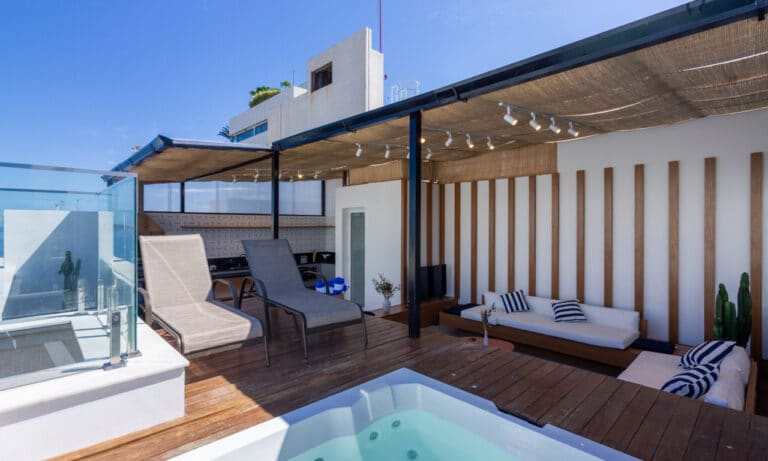 Penthouse for Rent in Ipanema in One of The Most Exclusive Address in RioBRL 50.000 / month
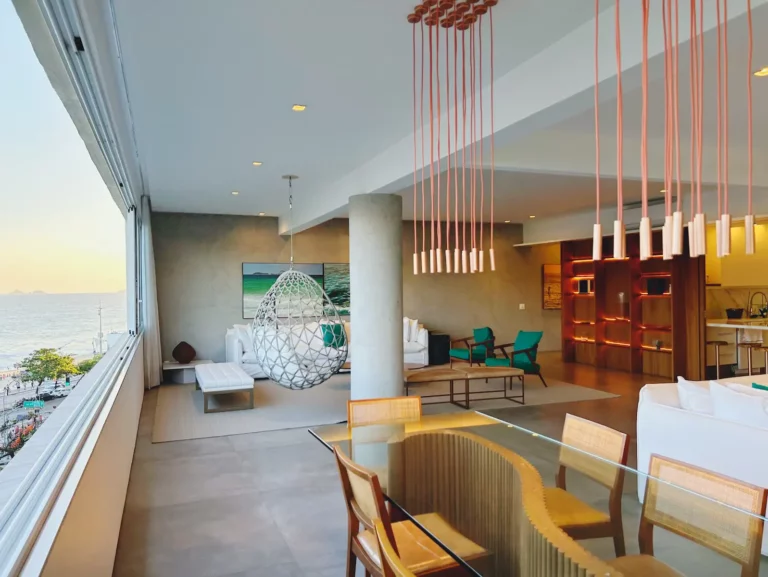 Luxury Apartment Ipanema Rental – 330 m² Circular Masterpiece Near FasanoBRL 36.000 / month
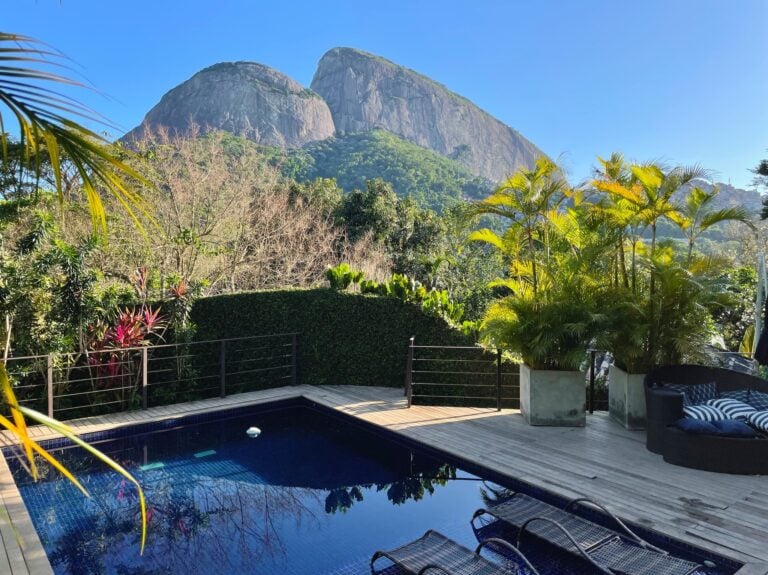 HOUSE FOR RENT IN RIO DE JANEIRO IN NOBLE AREABRL 35.000 / month
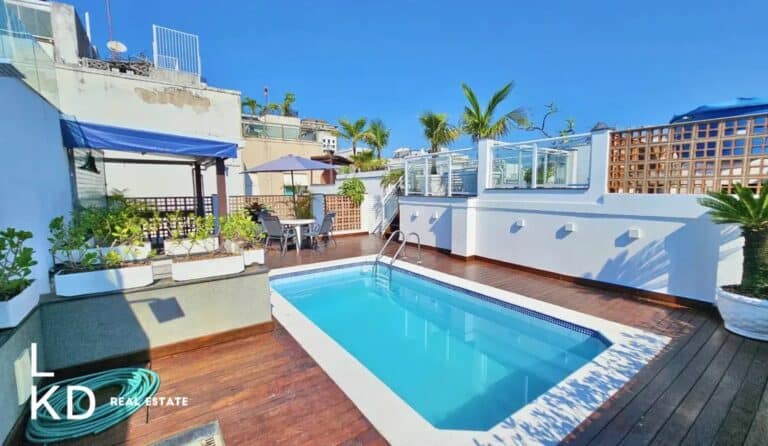 Triplex Penthouse with Rooftop Pool for Rent on Rua Redentor, Ipanema – 310 m²BRL 34.000 / month
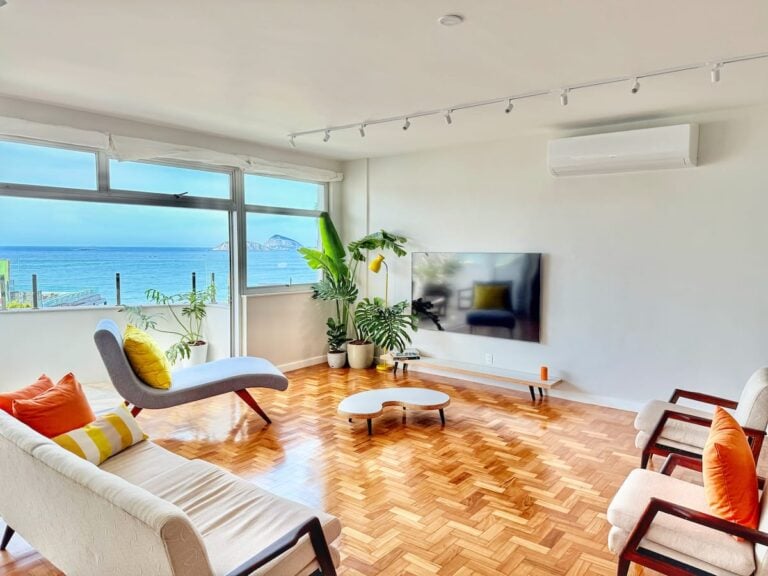 Ipanema Ocean View Apartment – 4-Bedroom Vacation RentalBRL 25.000 / month
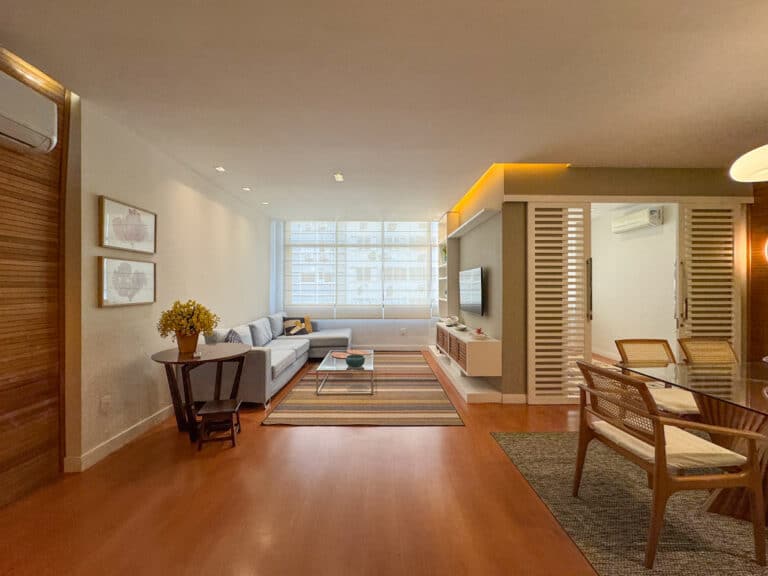 Long-term rental apartment in Ipanema near the beachBRL 18.000 / month
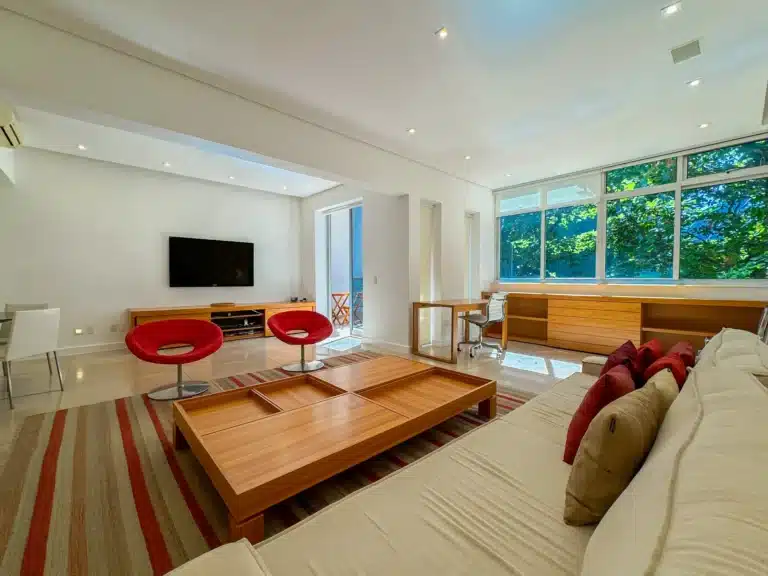 Apartment for Rent in Ipanema – Quiet, Renovated & Fully Furnished 123 m²BRL 15.000 / month
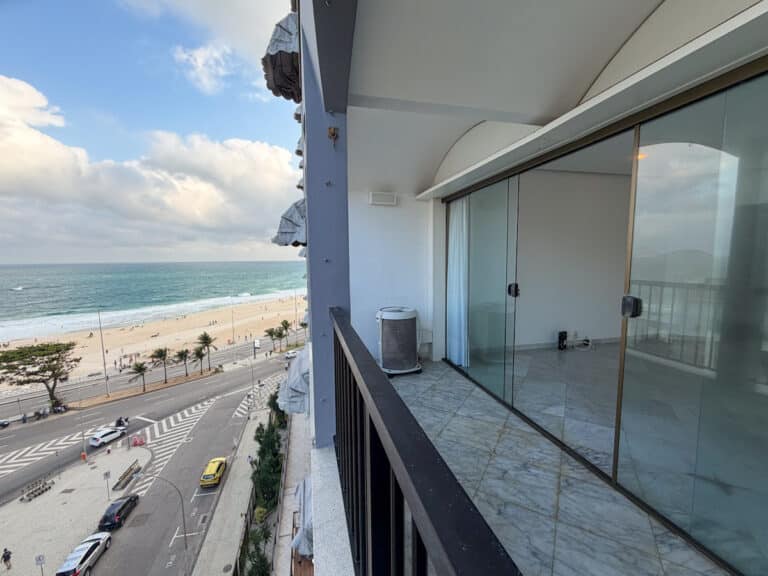 Sea view apartment for rent in Ipanema on Vieira SoutoBRL 15.000 / month
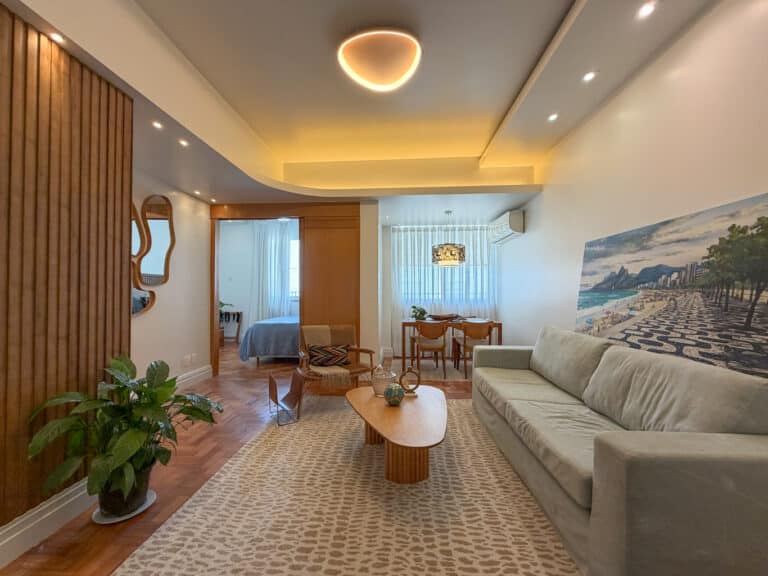 Renovated 100 m² Apartment for Rent Between Copacabana and IpanemaBRL 15.000 / month
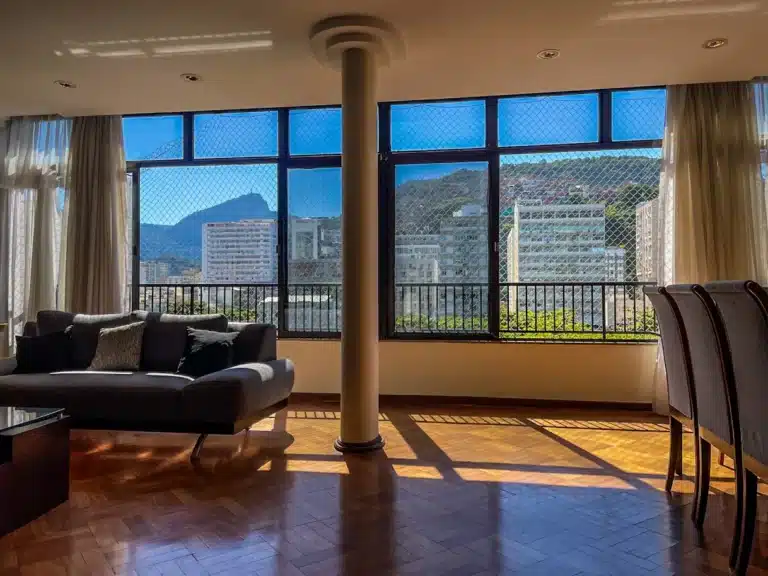 Ipanema Long Term Rental – Iconic 170 m² Circular Apartment with Panoramic ViewsBRL 14.500 / month
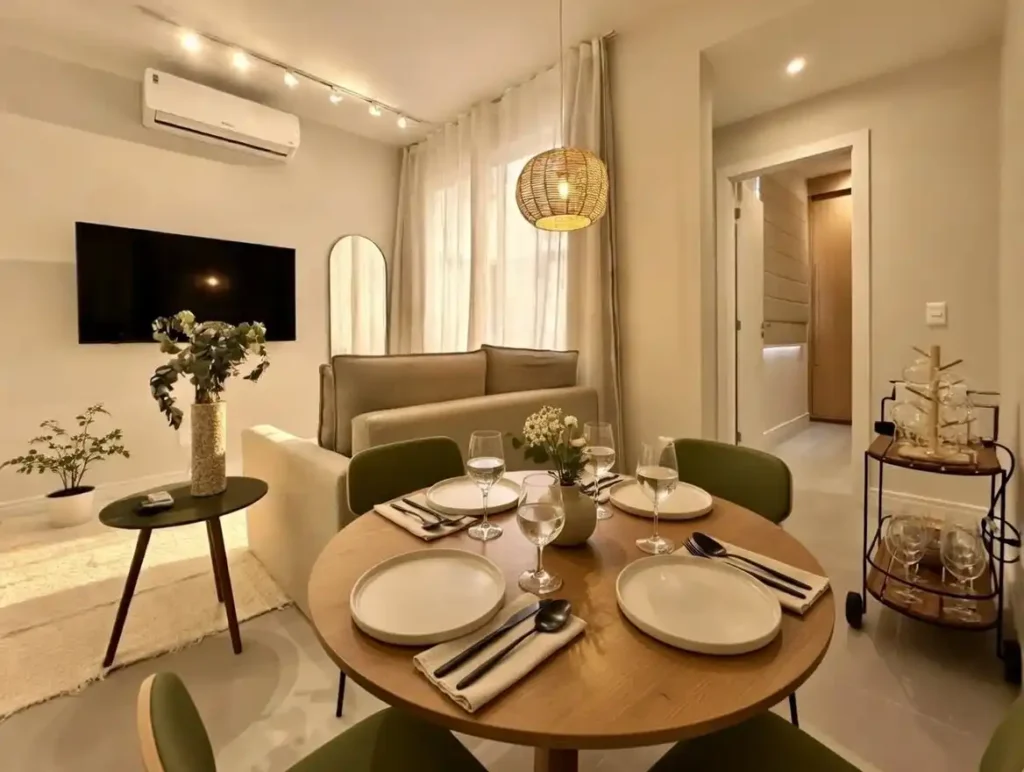
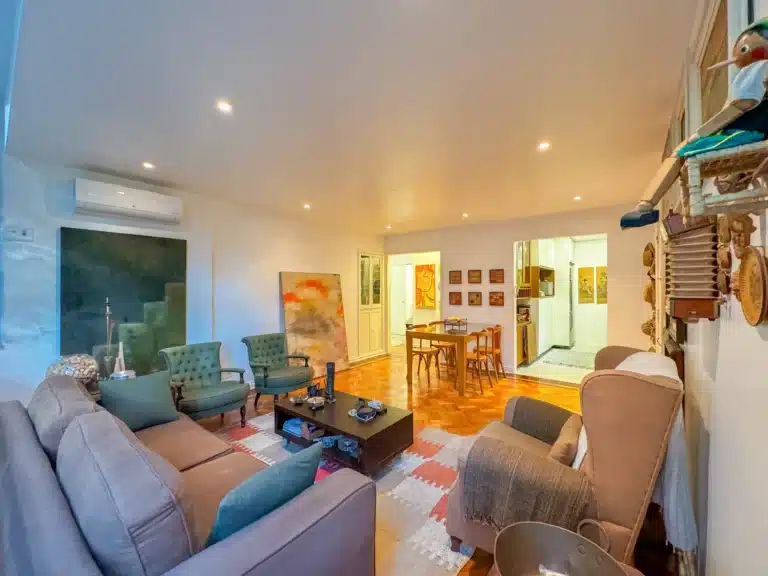 STUNNING 3-BEDROOM APARTMENT FOR RENT IN IPANEMA, RIO DE JANEIROBRL 12.500 / month
Didn't find what you are looking for?
Let's find your place in Rio — a free 30-minute briefing, no obligation.
Book a Consultation →Contract types
Brazilian law treats these as three separate things, and choosing the wrong one is the most common mistake foreign tenants make in Rio. The properties on this page are all in the first category.
The standard residential lease, governed by Lei 8.245/91, the Lei do Inquilinato. In Rio it is almost always written for 30 months, because Article 46 of that law lets a contract of 30 months or more simply end on its final day without the landlord having to go to court. Shorter contracts renew automatically and are far harder for an owner to end, which is why 30 months became the market default even for tenants who intend to stay one year. This is the contract behind every listing on this page.
A residential rental for temporary use — a holiday, a course, a work assignment — capped at 90 days by Article 48. The landlord may collect the whole rent in advance and may combine a guarantee with it. Useful for a summer in Rio; it does not give you a home base, and it is priced per night or per week rather than per month.
Airbnb-style lettings of a few nights. These sit outside the residential rental market and are handled separately in our short-let investment coverage. If you are searching for Ipanema vacation rentals or location vacances Rio de Janeiro, that is this category, not the listings below.
Neighbourhoods
Rio's rental market is concentrated in Zona Sul, the coastal strip running from Flamengo round to Leblon. Rents there are the highest in Brazil, and the differences between neighbourhoods a fifteen-minute walk apart are large.
Ipanema is where most of our rental stock sits, and it is the neighbourhood foreign tenants ask for first: a grid of quiet residential streets between the beach and the Lagoa, everything walkable, and the strongest concentration of good buildings in the city. Leblon, immediately west, is smaller, quieter and more expensive — the most costly rental square metre in Brazil. Both suit tenants who want to live without a car.
Copacabana is denser, busier and considerably cheaper than Ipanema for the same floor area, with far more choice because the building stock is so large. Rents here rose faster than anywhere else in Zona Sul over the past year. Leme, the short stretch at the northern end, is quieter and more residential.
Botafogo and Flamengo are the practical choice for tenants working in Centro: two metro stops from the business district, a serious restaurant and cinema scene, and rents below the beach neighbourhoods. Botafogo has been the fastest-appreciating rental market in Rio.
The green inland belt. Lagoa, Jardim Botânico and Gávea are the family neighbourhoods of Zona Sul — near the international schools, quieter at night, and the part of the city where a rented house rather than an apartment becomes realistic.
Barra da Tijuca is newer, flatter and built around gated condominiums with pools, gyms and parking. It suits families arriving with a car and wanting space; it is a forty-minute drive from Ipanema and a different way of living in the city.
Prices
Rio's average residential asking rent reached R$59.87 per square metre per month in June 2026 on the FipeZAP index, against a 36-city national average of R$53.79. Rents across the city rose 11.65% over the preceding twelve months — well ahead of inflation, and the reason tenants are signing earlier than they used to.
Neighbourhood averages diverge sharply from that city figure:
As a rule of thumb, multiply by the floor area: a 100 m² apartment in Ipanema asks around R$11,700 a month, the same apartment in Copacabana around R$7,500. Figures are FipeZAP asking-rent averages for June 2026 and describe apartments; a furnished flat in a good building with a sea view sits above them, a dated unit on a back street below.
Our own listings confirm the Ipanema figure: the 10 apartments Oabitat currently offers for long-term rent in Ipanema ask a median of R$18,000 a month, about R$122 per square metre, from R$12,500 (Oabitat listings, October 2026). The Oabitat Zona Sul Price Index sets these rents against sale prices to give gross yields by neighbourhood.
Advertised rent in Brazil is only the first of three monthly costs, and foreign tenants are routinely surprised by the total:
Ask for all three before comparing two apartments. A cheaper rent in a building with a large staff can easily cost more per month than a higher rent in a leaner one. Ordinary running costs fall to the tenant; structural work, façade repairs and the reserve fund remain the owner's under Articles 22 and 25 of the tenancy law.
Brazilian leases are adjusted once every twelve months by an index written into the contract. IGP-M was the traditional benchmark; since it proved volatile, IPCA — Brazil's consumer price index — has become common and is generally the better clause for a tenant. Check which one your contract names before signing.
Before you sign
No Brazilian landlord will hand over keys without a guarantee, and this is the single step that most often delays a foreign tenant. Article 37 of Lei 8.245/91 permits exactly four, and Article 37's sole paragraph is explicit that only one may be used per contract — an agent asking for a deposit and a guarantor is asking for something the law does not allow, and doing so is a criminal offence under Article 43.
A caução is often the cleanest option for an arriving tenant with funds in Brazil; seguro-fiança is faster if the money is still abroad. We tell you which the owner will accept before you view.
There is no restriction on a foreign national renting residential property in Brazil, and no visa or residency requirement. What you will need is a CPF, the Brazilian individual taxpayer number, which every contract, utility account and bank transfer runs through. It can be obtained at a Brazilian consulate abroad or online before you arrive, and it is the first thing to organise — without it nothing else can be signed.
Beyond the CPF, expect to provide proof of income or funds, passport, and the guarantee described above. A Brazilian bank account makes paying rent and condomínio far simpler but is not strictly required. Contracts are written in Portuguese; we go through the clauses in English, French, German, Spanish or Italian before anything is signed, and we do not recommend signing a Brazilian lease you have not had explained.
Most long-term Rio rentals are let sem mobília — unfurnished, and in Brazil that often means without light fittings, wardrobes or kitchen units too. Verify what the kitchen actually includes before you budget. Furnished apartments (mobiliado) command a premium of roughly a fifth to a third on the rent and are the practical choice for a one- or two-year stay; several of the Ipanema apartments on this page are let fully furnished and equipped. A semi-mobiliado flat sits between the two, usually meaning fitted kitchen and wardrobes but no loose furniture.
Rio rewards tenants who take their time. The city's neighbourhoods differ enormously in noise, sun, sea breeze, traffic and safety from one street to the next, and none of that is visible in a listing. Renting for a year in Zona Sul before committing to a purchase is the approach we suggest to most buyers relocating from abroad, and it costs relatively little against the total: gross rental yields in Rio ran at 6.25% a year in June 2026, so a year's rent is roughly six per cent of what buying the same apartment would cost you.
When you are ready, the same team handles the purchase. Our legal and tax guide to buying in Rio de Janeiro covers ITBI, registration and the certidões, and our renting guide goes deeper on yields and letting a property out.
Oabitat
We are a Rio de Janeiro agency working in five languages with tenants arriving from Europe and North America. Every apartment on this page has been visited by us, the condomínio and IPTU figures are confirmed with the building before it is listed, and we tell you which guarantee the owner will take before you spend a day viewing. We handle the contract, the inventory, the utility transfers and the check-in, and we stay reachable for the length of the lease rather than disappearing at signature. Viewings can be done in person or by video call from abroad.
FAQ
Yes. There is no nationality restriction on renting residential property in Brazil and no visa requirement. You need a CPF, the Brazilian taxpayer number, which can be obtained from a Brazilian consulate abroad or online before arrival, plus proof of income and one of the four legal rental guarantees.
Thirty months. Article 46 of Lei 8.245/91 lets a lease of 30 months or more end automatically on its final day, which is why owners insist on that length even for tenants planning a shorter stay. You are not locked in for the full term: a tenant may leave earlier by giving notice and paying a penalty reduced in proportion to the time already served.
If the owner accepts a cash deposit, the law caps it at three months' rent and requires it to be held in a savings account with the interest belonging to you. Many owners prefer rental guarantee insurance instead. Only one guarantee is permitted per contract — a deposit and a guarantor together is not legal.
Ipanema averaged R$117.40 per square metre per month in June 2026 on the FipeZAP index, so around R$11,700 for a typical 100 m² apartment, before condomínio and IPTU. Leblon is higher at R$122.50/m², Copacabana much lower at R$74.60/m². Furnishing, floor, view and building quality move individual apartments well above or below those averages.
Almost never. Brazilian listings quote the rent alone; the monthly condominium charge and the IPTU property tax are additional and both are normally the tenant's responsibility. Always ask for all three figures before comparing two apartments, because a low rent in a heavily staffed building can total more than a higher rent elsewhere.
Not on the contracts on this page. A stay of up to 90 days is a locação por temporada under Article 48 — a different contract, priced per night or per week, where the landlord may take the full rent in advance. The listings here are long-term residential leases. Tell us your dates and we will point you to the right category.
Yes, though they are the minority. Most Rio long-term rentals are unfurnished, and in Brazil that can extend to light fittings and kitchen units. Furnished apartments typically carry a 20–30% premium on the rent and suit stays of one to two years; several of the Ipanema apartments listed above are fully furnished and equipped.
Once every twelve months, by the index named in your contract — historically IGP-M, increasingly IPCA, which tracks consumer inflation and is generally kinder to tenants. Market rents across Rio rose 11.65% in the year to June 2026, but that is the asking-rent market, not your contract: your adjustment follows the contractual index.
Not strictly, but it makes life much easier. Rent, condomínio and utility bills are all paid through Brazilian systems, and a local account or Pix key removes the transfer fees and delays of paying from abroad. Opening one requires the CPF and proof of address, so the CPF remains the first step either way.
Comparing Rio de Janeiro apartments for rent by neighbourhood? Our cost of living in Rio de Janeiro guide lists current rents per square metre in Ipanema, Leblon, Copacabana and Botafogo, and how to rent in Rio de Janeiro as a foreigner explains the contract, guarantee and documents step by step.
Tell us your dates and your budget and we will tell you whether you want a 30-month lease, a temporada contract, or to buy — and what the guarantee will cost you.
Contact usOff-market and newly listed apartments, penthouses and houses in Ipanema, Leblon, Copacabana and Zona Sul. At most one email a week.
 English English
 Português do Brasil
 Deutsch
 Español de Argentina
 Italiano
 Français
 简体中文
 Русский
A password will be e-mailed to you