short-term rental investment
Airbnb investment properties in Rio de Janeiro
Are you looking for a short-term rental investment property in Rio de Janeiro that combines strong income potential, prime location, and long-term security?


 Luxury Homes for Sale in Leblon, Rio de Janeiro: Exclusive Estância Pernambuco HousesBRL 28.000.000
 Duplex Penthouse in Ipanema – New Luxury Development Near the BeachBRL 8.056.130
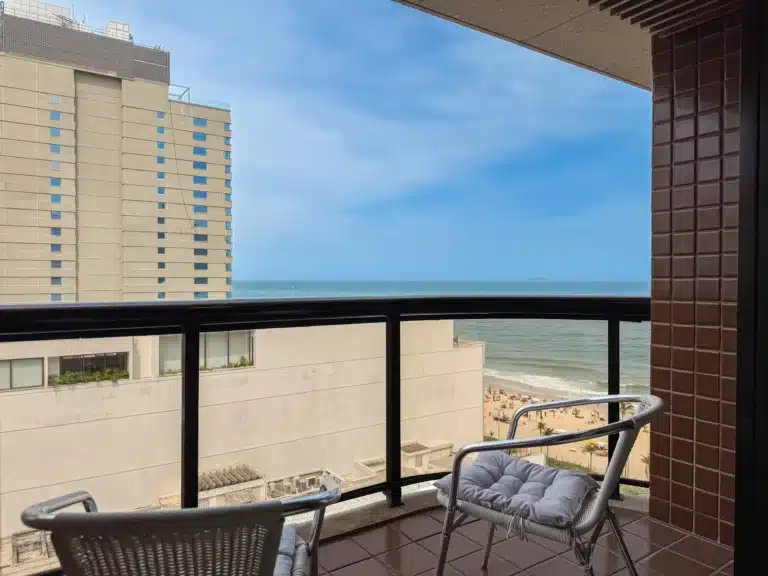 Ipanema Beachfront Apartment for Sale on Avenida Vieira SoutoBRL 5.250.000
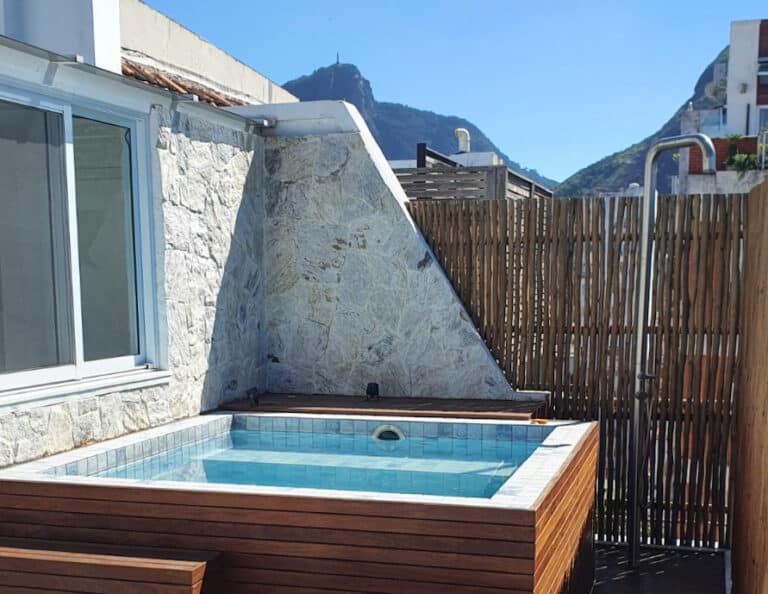 Ipanema Rooftop Duplex For Sale – Ocean View PenthouseBRL 4.900.000
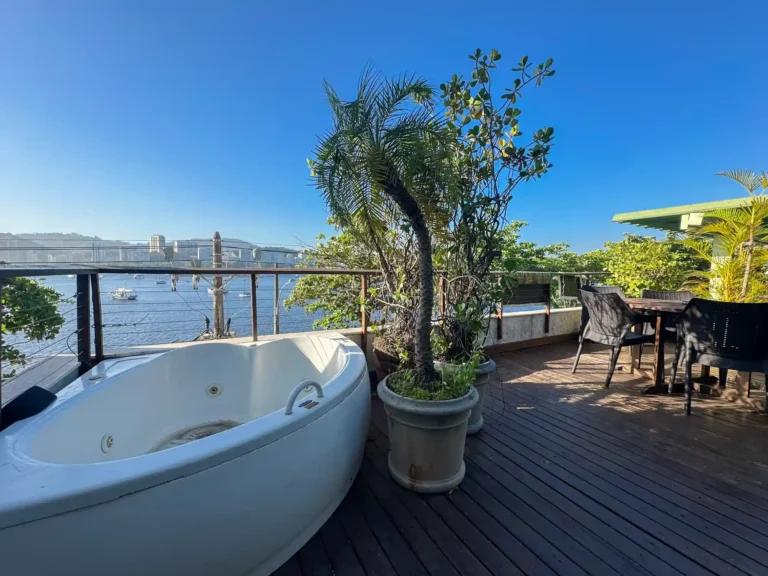 Spacious 6-Bedroom House for Sale in Urca, Rio de JaneiroBRL 4.500.000
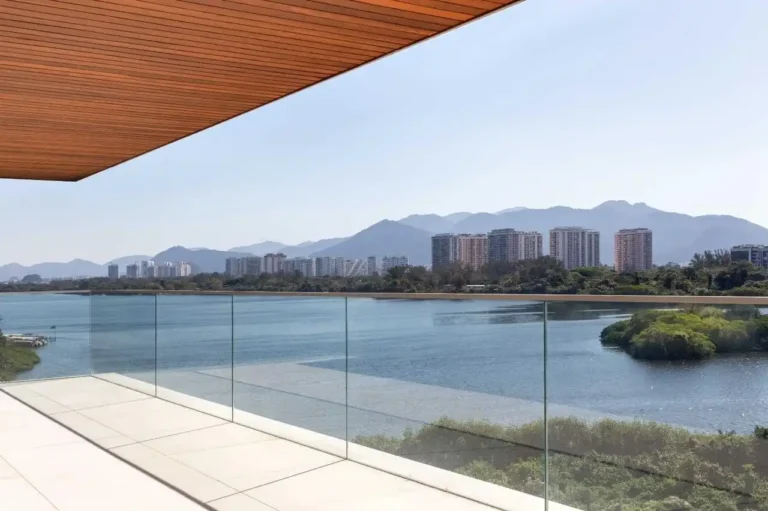 Grand Hyatt Residences Apartment for Sale – 130 m² Luxury Unit in Rio de JaneiroBRL 4.200.000
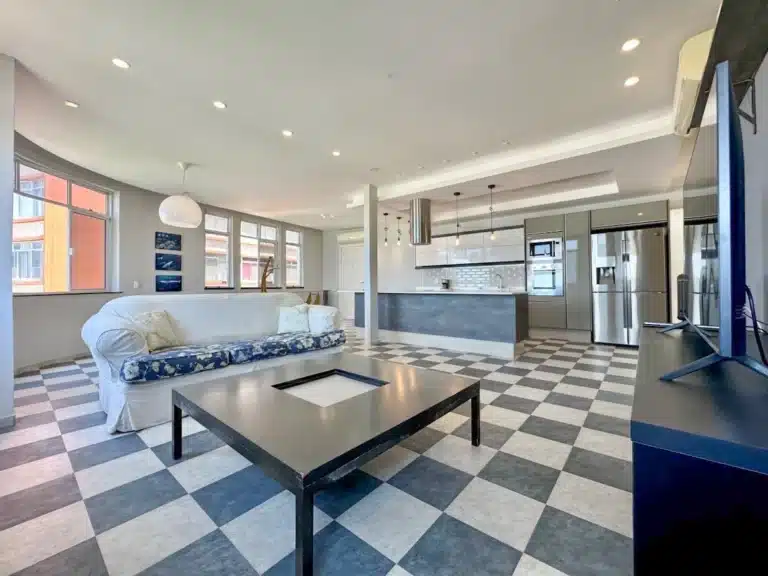 Beachfront Apartment for Sale on Avenida AtlânticaBRL 3.200.000
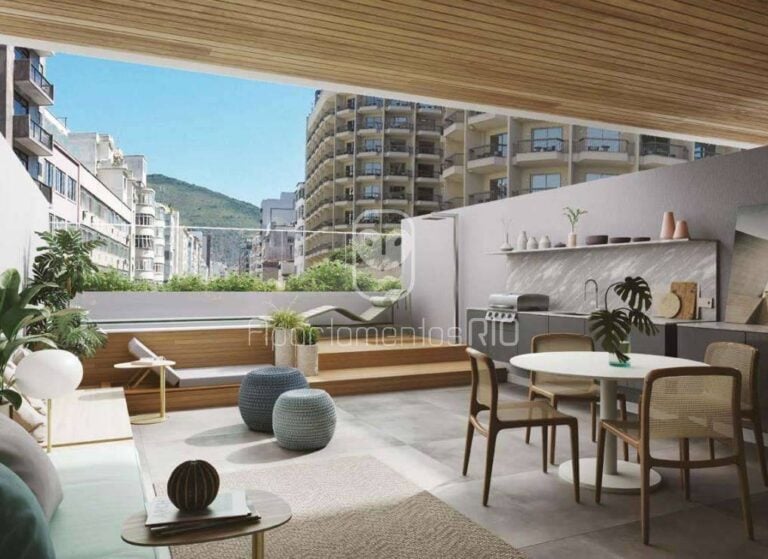 Luxury Copacabana Garden Apartment with Private Pool for SaleBRL 2.500.000
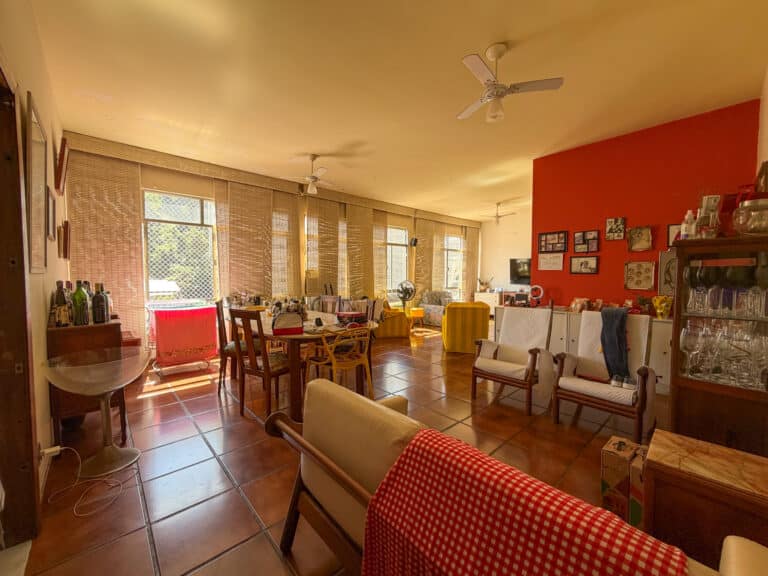 4 Bedroom Penthouse for Sale in Ipanema – 152m² on Rua Farme de AmoedoBRL 2.450.000
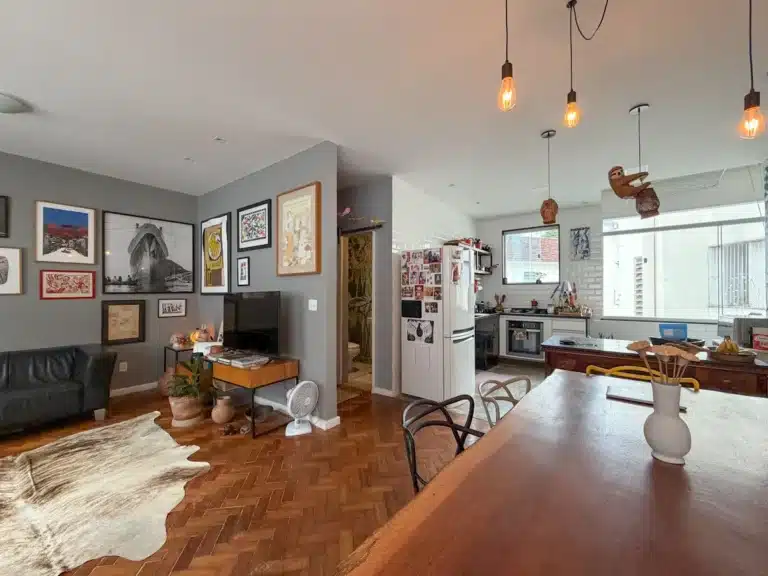 Leblon Apartment for Sale Near Rua Dias Ferreira – 135m², Heritage BuildingBRL 2.200.000
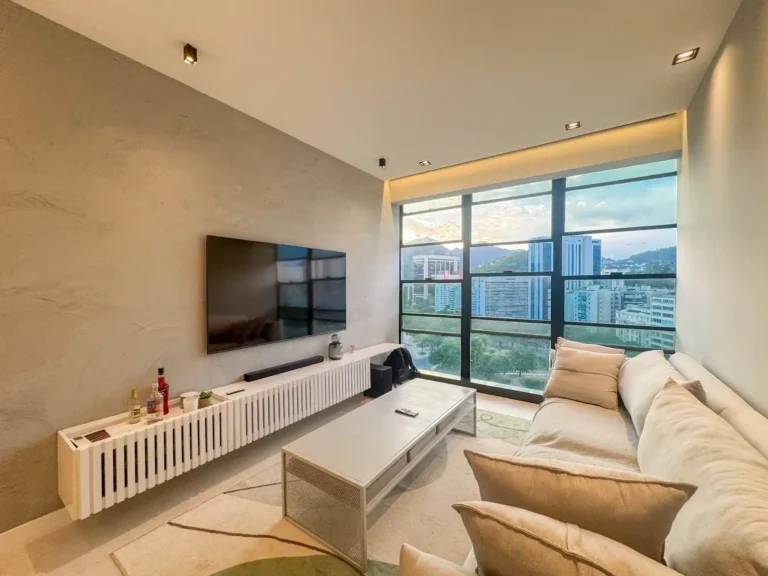 Apartment for sale in Botafogo with Christ the Redeemer viewsBRL 2.000.000
 Exclusive Luxury Residences for sale in the Heart of LeblonBRL 2.000.000
Didn't find what you are looking for?
Let's find your place in Rio — a free 30-minute briefing, no obligation.
Book a Consultation →short-term rental investment
It means we have read the building's convenção de condomínio and the recent assembly minutes, and found nothing that prohibits short-term letting. That is a meaningful filter in a market where most buildings either forbid it or have never decided.
It is not a guarantee, and we would rather say so plainly than sell you certainty we cannot give. A convention can be amended by a two-thirds majority of owners under Article 1,351 of the Civil Code, and the Superior Tribunal de Justiça has not yet issued its binding thesis on the question. What we can tell you is what the documents say today, and we will hand you those documents rather than asking you to take our word for it.
In every other part of the Rio market you buy the apartment. Here you buy the building's rules first and the apartment second.
On 7 May 2026 the STJ decided REsp 2.121.055 by a 5–4 majority: recurrent short-term letting through digital platforms undermines a unit's strictly residential purpose and approaches hotel operation, so it is permissible only where the condominium convention expressly authorises it. On 8 June 2026 the court took REsp 2.272.536 and 2.272.537 as Tema 1.443, with Minister Raul Araújo as rapporteur, and suspended every related case in Brazil pending a binding thesis. The open question is whether a plain "residential use" clause alone is enough to bar platform letting.
The practical consequence is unambiguous: the convention of the specific building now governs, and it must be read before you offer, not after. Our note on what the STJ decision changes goes through the reasoning in full.
Conventions are amended at assembleias, and a building that permitted short lets three years ago may have voted otherwise since. The minutes also reveal whether the subject is contested — a building where owners are actively arguing about it is a different risk from one where nobody has raised it.
A building can permit short letting on paper and make it miserable in practice: no guest access without the owner present, no luggage in the social lift, restricted pool use. We ask, because it changes what you can actually offer a guest.
Neighbourhoods
Permission is not evenly distributed across the city, and the pattern is fairly consistent.
Ipanema holds more than half of our Airbnb-friendly stock and is where the economics work best: the highest nightly rates in Brazil, the steadiest year-round occupancy, and guests who come for the beach, for work and for family visits in roughly equal measure. Buildings here are often mid-century, mixed in ownership, and historically relaxed about letting.
Copacabana has the largest permissive building stock in the city, by a wide margin, and entry prices well below Ipanema. That is also the problem: supply is heavy, price competition is fierce, and the quality of buildings varies sharply from one street to the next. It is the right choice for a first purchase at a lower entry price, provided you are honest about the nightly rate you will achieve.
Leblon is the hardest place in Rio to find permission. The buildings are smaller, the ownership more settled, and conventions more often restrictive. That scarcity is exactly why the apartments that do qualify command the rates they do.
Botafogo suits longer business stays and has flatter seasonality. Barra da Tijuca's gated condominiums are generally the most restrictive in the city — large, professionally managed, and inclined to prohibit. Treat any Barra listing advertised as short-let friendly with particular care.
Prices
Across Rio de Janeiro there are roughly 32,200 active short-term listings, at an average daily rate near US$121, an occupancy rate of 40.8% and average annual revenue per listing of about US$12,800, in the twelve months to July 2026.
That occupancy figure deserves a moment: the average Rio short-let is empty three nights in five. Against it, long-term letting in Rio returned a gross yield of 6.25% in June 2026 on the FipeZAP index, with one tenant and no turnover costs.
Short-letting beats that comfortably at the top of the market and loses to it in the middle. What separates the two is not the city — it is the building, the view, the outdoor space, the furnishing and whether somebody competent is running it. The calculator above is set to the city averages; change the nightly rate and occupancy to the ones we quote you for a specific apartment and the picture usually looks quite different.
Platform commission, cleaning and linen between every stay, the monthly condomínio, IPTU, utilities held in your name year-round, furnishing and its replacement, income tax on the rental income, and management if you are not in Rio. Short-letting also wears an apartment far harder than a long lease, and Rio's climate is unkind to furniture, paint and air-conditioning.
Rio's short-let year is unusually peaked. Réveillon and Carnival earn a multiple of an ordinary week, and the weeks around them are strong. The low season is long. Any model that annualises a Carnival week is not a model.
Oabitat
Rio de Janeiro combines global lifestyle appeal with strong rental dynamics. Limited hotel supply in prime beachfront districts such as Leblon and Ipanema, combined with steady international demand, creates structurally attractive conditions for income-producing real estate. Each year, the city reaches new tourism records, reinforcing occupancy resilience and long-term growth potential.
In addition, Rio hosts major concerts, global events, and cultural gatherings throughout the year. This continuous activity supports consistent demand beyond traditional high seasons and strengthens annual revenue performance.
However, beyond location, successful investment depends on selecting the right asset type. Some buildings naturally support flexible occupancy and transient guests. Others are designed primarily for long-term residential use. Understanding this distinction is essential. It preserves operational stability and protects long-term value.
Prime neighborhoods such as Leblon, Ipanema, and Copacabana continue to attract international buyers seeking a balance between lifestyle use and income generation. When structured correctly, a vacation rental apartment in Rio offers more than seasonal revenue. It can deliver strong annual returns compared to many global capitals, while also providing portfolio diversification, asset appreciation potential, and strategic exposure to one of Latin America’s most internationally recognized cities.
Buying process
There is no restriction on foreign nationals owning urban residential property in Brazil, and no visa or residency requirement. You need a CPF, the individual taxpayer number, which also allows you to declare the rental income; it can be obtained at a Brazilian consulate abroad or online before you arrive. Rural land and border areas carry restrictions, and neither applies in Zona Sul.
Purchase costs run to ITBI at 3% of the transfer value in Rio, registry and notary fees, and legal review. Our legal and tax guide covers the certidões and the full sequence. A purchase can be completed remotely with a power of attorney signed at a Brazilian consulate.
Two things are unresolved, and any honest adviser will tell you so. The STJ's binding thesis under Tema 1.443 is pending. Separately, Rio's city council has been working on Projeto de Lei 372/2025, which would require host and property registration, Cadastur inscription, and municipal tax collected through the platforms; a commission approved its report in December 2025, but it has not passed the full chamber and is not in force.
The sensible response is not to avoid the market but to buy something that survives a rule change: an apartment that also works as a long-term rental or resells to an owner-occupier. That way the investment does not depend on one clause staying as it is.
We obtain the convention and the recent assembly minutes before you offer, not during conveyancing. We tell you when a building is a bad bet, including when that costs us a sale. We give you a nightly rate and occupancy estimate based on comparable units in that building or street rather than a city average. And if you want it managed afterwards, we run short lets for owners who live abroad — listing, pricing, guest screening, check-in, cleaning, maintenance and a monthly statement — in English, French, German, Spanish, Italian and Portuguese.
Investing in short-term rental–optimized real estate in Rio de Janeiro requires more than identifying a good-looking apartment. It requires selecting an asset that can operate smoothly, remain compliant over time, and preserve long-term value.
Our role is to reduce uncertainty at every stage of the process. We analyze each property beyond surface metrics. In addition, we focus on structural alignment with flexible occupancy, realistic income potential, and long-term market positioning.
In prime areas such as Leblon, Ipanema, and Copacabana, this level of selection is essential. It secures both performance and resale liquidity.
For international buyers, we also streamline acquisition and structuring. This ensures the investment is executed clearly, efficiently, and with full visibility on its operational model.
Ultimately, the objective is simple: acquire a property that is not only attractive today but positioned to perform sustainably in Rio’s evolving short-term rental landscape.
FAQ
That we have read the building's condominium convention and its recent assembly minutes and found nothing prohibiting short-term letting. It is a documented position rather than a guarantee: conventions can be amended by a two-thirds majority of owners, and the STJ's binding ruling on the question is still pending. We provide the documents so you can form your own view.
Short-term letting is lawful in Brazil as locação por temporada under Article 48 of Lei 8.245/91. The constraint is the condominium: on 7 May 2026 the STJ held in REsp 2.121.055 that platform letting is permissible only where the convention expressly authorises it, and in June it suspended related cases nationwide under Tema 1.443 pending a binding thesis. So legality turns on your specific building.
Yes. A convention can be amended by a two-thirds majority of owners under Article 1,351 of the Civil Code. This is the central risk in the category, and the reason we suggest buying apartments that also perform as long-term rentals or resell well to owner-occupiers.
City-wide the average listing ran at about US$121 a night with 40.8% occupancy and roughly US$12,800 of annual revenue in the twelve months to July 2026, across some 32,200 listings — gross, before commission, cleaning, condomínio, IPTU, furnishing and tax. A well-located Ipanema or Leblon apartment with a view or terrace earns considerably more. Use the calculator above with the figures for a specific property.
Not automatically. Long-term letting produced a 6.25% gross yield in Rio in June 2026 with one contract and little effort, while the average short-let sits empty three nights in five and carries commission, cleaning, furnishing and management costs. Short-letting wins clearly in the top tier and loses in the average case. Model the specific apartment, not the category.
Yes. Urban residential property carries no ownership restriction for foreign nationals and requires no visa or residency. You need a CPF, which also lets you declare the rental income. The purchase can be completed remotely with a power of attorney signed at a Brazilian consulate.
Not at present. Projeto de Lei 372/2025 would introduce host and property registration, Cadastur inscription and platform tax collection, and a commission approved its report in December 2025, but it has not passed the full council and is not in force. Assume registration is coming and budget for it.
Ipanema for the highest rates and steadiest occupancy, Copacabana for a lower entry price and more permissive buildings at the cost of heavier competition, Leblon for scarcity value where permission exists. Barra da Tijuca's gated condominiums are generally the most restrictive in the city.
Yes, for owners who do not live in Rio: listing and pricing, guest screening, check-in and check-out, cleaning and linen, maintenance, and a monthly statement. Most of the apartments we sell in this category end up managed by us, which is also why we are careful about which buildings we recommend.
Short-term rental income generated in Rio de Janeiro is taxable locally and must be properly declared.
In addition to income tax, investors should account for municipal service tax (ISS) applicable to short-term rental activity, annual property tax (IPTU), monthly condominium fees, capital gains tax upon resale, and platform service fees charged by operators such as Airbnb.
Platform fees vary depending on the listing structure. Moreover, overall profitability depends on accurate projections that integrate taxation and operational costs.
Proper compliance and forward planning are essential to protect net returns.
For short-term rental activity, operating through a Brazilian company is often recommended.
A corporate structure can reduce the effective tax burden on rental income compared to personal ownership, particularly when occupancy levels are consistent. In addition, it provides clearer accounting and facilitates expense deductions related to operations. It can also simplify long-term asset management.
Therefore, the optimal setup should be defined at the time of acquisition to maximize net returns and ensure efficient resale planning.
Foreign buyers must transfer funds through official banking channels. This includes converting foreign currency (EUR, USD, etc.) into Brazilian Real (BRL) with full documentation of origin.
Exchange rates fluctuate daily, and the spread applied by financial institutions can significantly impact the total acquisition cost. For this reason, securing a competitive and transparent exchange process is crucial.
We work with specialized foreign exchange professionals who provide regulated and compliant transfers, as well as access to competitive market rates. As a result, capital is transferred securely, declared properly, and converted under optimal conditions for the purchase of your property in Brazil.
If you are considering entering Rio’s short-term rental market, the first step is clarity, on your objectives, your risk tolerance, and the type of asset that aligns with both.
Contact usOff-market and newly listed apartments, penthouses and houses in Ipanema, Leblon, Copacabana and Zona Sul. At most one email a week.
 English English
  Português do Brasil
 Deutsch
 Español de Argentina
 Italiano
 Français
 简体中文
简体中文
 Русский
A password will be e-mailed to you