









The Zona Sul (South Zone) is Rio de Janeiro's principal real estate corridor. Ipanema and Leblon anchor the top of the market, with the country's highest prices per square meter and the tightest supply of prime buildings. Copacabana offers a larger, more varied stock of apartments at a lower entry price, with strong tourist and long-term rental demand. Each neighborhood has its own pricing pattern, its own building rules, and its own rhythm — the guides below go into that detail street by street.
Ipanema
Rio's most recognized beachfront neighborhood — a mix of century-old streets, tightly regulated preservation zones, and some of the country's most expensive buildings per square meter.
Explore Ipanema →Leblon
Rio's most expensive neighborhood by a clear margin — smaller, quieter than Ipanema, with the city's highest concentration of eight-figure sales.
Explore Leblon →Copacabana
Rio's original tourist beachfront and its largest short-term rental market — a larger, more varied building stock at a lower entry price than Ipanema or Leblon.
Explore Copacabana →Ipanema
Ipanema pairs beachfront prestige with a genuinely walkable neighborhood grid — the specific street matters here as much as the neighborhood name itself.
Leblon
Leblon consistently posts the highest price per square meter of any neighborhood in Brazil — the sales below illustrate what that actually looks like in practice.
Copacabana
Copacabana carries more short-term rental listings than any other Rio neighborhood, with a lower entry price than Ipanema for a comparable gross yield.
Zona Sul at Large
Some of Oabitat's coverage looks at the South Zone as a whole rather than one neighborhood specifically — useful context before narrowing down to a street.
Rio de Janeiro Neighborhoods at a Glance
| Neighborhood | Best for | Vibe | Average sale price |
|---|---|---|---|
| Ipanema | Beachfront lifestyle, rental investment | Walkable, upscale, lively | R$25,302/m² |
| Leblon | Families, long-term residential value | Quiet, exclusive | R$25,717/m² |
| Copacabana | Rental yield, central living | Central, energetic | R$12,882/m² |
| Urca | Quiet, low-density living | Small, residential, safe | Limited public data |
| Gávea | Families, proximity to schools | Green, residential | Limited public data |
| Lagoa | Outdoor lifestyle, investors | Scenic, active | R$17,437/m² |
| Joá | Privacy, ultra-luxury | Secluded, oceanfront | Limited public data |
More Zona Sul Neighborhoods: Urca, Lagoa, Jardim Botânico and Gávea
Urca: A Quiet Waterfront Neighborhood with Historic Charm
Urca offers one of the most distinctive lifestyles in Rio. Situated beneath Sugarloaf Mountain, this small waterfront neighborhood combines historic architecture, low-rise buildings and a peaceful atmosphere rarely found elsewhere in the city.
Unlike beachfront districts facing the Atlantic Ocean, Urca overlooks Guanabara Bay. Residents enjoy scenic waterfront walks, sailing clubs and panoramic views toward downtown Rio and Niterói.
Because commercial development remains limited, daily life feels quieter than in Ipanema or Copacabana. Many locals value this slower pace and strong sense of community.
The neighborhood also provides direct access to the Sugarloaf Mountain cable car, Praia Vermelha and several walking routes with spectacular views.
Best for: peaceful living, historic character, waterfront scenery and buyers seeking a quieter environment.
Lagoa: Green Spaces and Outdoor Living
Lagoa surrounds the famous Rodrigo de Freitas Lagoon and offers one of Rio’s healthiest outdoor lifestyles.
The lagoon features a popular cycling path, running tracks, rowing clubs and recreational spaces used throughout the year. Many apartments enjoy beautiful water views while remaining only minutes from Ipanema and Leblon.
Residents appreciate the balance between nature and urban convenience. Restaurants, gyms, schools and shopping centers are all easily accessible, while the lagoon itself creates an unusually peaceful atmosphere in the heart of the city.
The neighborhood also appeals to buyers looking for larger apartments compared with beachfront districts.
Best for: outdoor living, families, larger apartments and long-term residence.
Jardim Botânico: Nature, Privacy and Timeless Appeal
Jardim Botânico is one of Rio’s most elegant residential neighborhoods. Located between Lagoa, Gávea and the Tijuca National Park, it offers a quieter lifestyle while remaining close to the city’s main attractions.
The neighborhood is best known for the world-famous Rio de Janeiro Botanical Garden. Wide tree-lined streets, low-rise residential buildings and abundant greenery create an atmosphere that feels distinctly different from the beachfront districts.
Residents enjoy excellent restaurants, specialty cafés and easy access to nearby neighborhoods such as Leblon and Ipanema. As a result, Jardim Botânico appeals to buyers looking for privacy without sacrificing convenience.
Best for: professionals, families, nature lovers and buyers seeking a peaceful residential environment.
Gávea: A Blend of Culture and Residential Living
Gávea combines residential streets, cultural institutions and easy access to both the mountains and the beach. The neighborhood attracts families, university students and professionals who appreciate its relaxed atmosphere.
It is home to the Pontifical Catholic University of Rio de Janeiro (PUC-Rio), one of Brazil’s leading universities. The neighborhood also offers shopping centers, theaters, restaurants and the popular Gávea Hippie Fair on weekends.
Real estate ranges from traditional apartment buildings to luxury homes located on quiet streets surrounded by greenery.
Best for: families, academics, culture enthusiasts and long-term residents.
Best Neighborhoods in Rio de Janeiro by Lifestyle
Best Neighborhoods for Beachfront Living
If direct beach access and a walkable, active lifestyle matter most, three neighborhoods dominate:
Ipanema offers the best balance of beach access, dining, and rental demand — both long-term and short-term. It’s consistently the most searched-for neighborhood among our international clients.
Leblon, right next to Ipanema, is quieter and more residential, favored by families and buyers prioritizing long-term value over rental income.
Copacabana has the largest beachfront inventory in the city and a wider price range, making it more accessible than Ipanema or Leblon while still offering direct beach access.
Best Neighborhoods for Safety and Quiet Living
Retirees and families relocating from abroad often prioritize calm, low-density streets over central location:
Urca is one of Rio’s smallest and most residential neighborhoods, with a strong local reputation for safety and a slow pace, sitting at the base of Sugarloaf Mountain.
Jardim Botânico and Gávea offer a greener, quieter setting close to the botanical garden and top private schools, popular with families and long-term expats.
Safety varies significantly by street even within the same neighborhood, a local agent’s input is always worth more than a general neighborhood reputation when evaluating a specific building.
Best Neighborhoods for Investment and Rental Yield
Ipanema and Copacabana consistently perform best for short-term rental demand, driven by limited hotel supply and strong year-round tourism. Lagoa has also become popular with investors, particularly serviced-flat buildings suited to short-term rental licensing.
Best Neighborhoods for Families
Families relocating to Rio generally prioritize proximity to international schools, green space, and quieter streets over beachfront access:
- Gávea — close to several of Rio’s top private and international schools.
- Leblon — residential, safe, still walking distance to the beach.
- Jardim Botânico — green, quiet, family-oriented.
Best Neighborhoods for Ultra-Luxury and Privacy
Joá stands apart from the rest of Rio’s South Zone: a secluded, oceanfront enclave favored by buyers prioritizing privacy over walkability, typically in gated developments with direct ocean views.
How to Choose the Right Neighborhood for You
A few questions worth asking before deciding:
- Do you need walkability, or are you comfortable relying on a car? Ipanema, Leblon, and Copacabana are highly walkable; Joá and parts of Gávea are not.
- Is rental income part of the plan? If so, prioritize Ipanema, Copacabana, or Lagoa over purely residential areas like Urca.
- How much quiet do you actually want? Central neighborhoods like Copacabana are lively year-round; Urca and Jardim Botânico offer a noticeably slower pace.
Why the South Zone Continues to Attract International Buyers
The South Zone remains the heart of Rio’s luxury residential market. International buyers appreciate its combination of natural beauty, established infrastructure and globally recognized neighborhoods.
Moreover, the area’s strong tourism appeal supports demand for both permanent residences and high-quality vacation rentals. Premium locations near the beach continue to attract buyers from Europe, North America and Latin America.
Although every investment should be evaluated individually, neighborhoods such as Ipanema, Leblon, Lagoa, Jardim Botânico, Urca and Copacabana have consistently remained among Rio de Janeiro’s most desirable residential markets.
Whether you plan to relocate, purchase a second home or simply experience Rio at its best, these neighborhoods represent some of the city’s finest places to live, invest and visit.
Frequently Asked Questions
All articles in this guide
Newest first

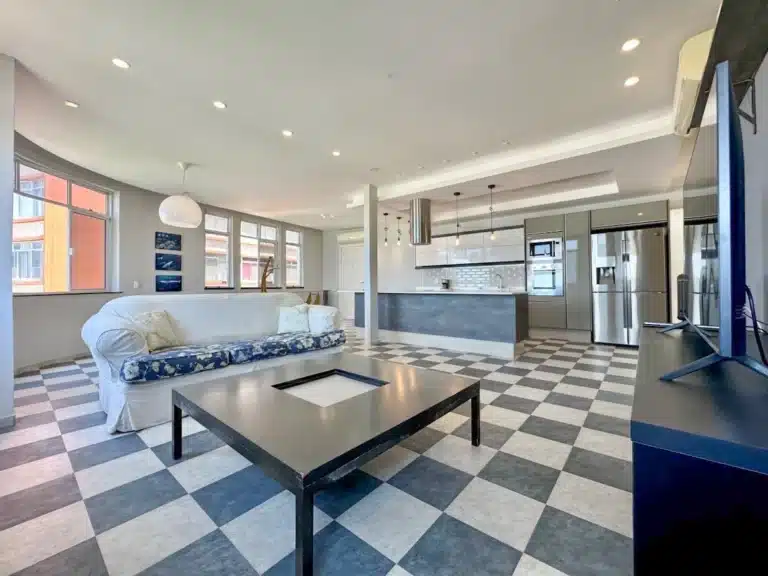 05.09.2026Airbnb in Copacabana: Rio’s Highest-Volume Short-Term Rental MarketNo neighborhood in Rio de Janeiro has more short-term rental listings than Copacabana — a legacy of decades as the city's original…


 19.06.2026Airbnb in Ipanema: Impact on Rio Real Estate and Market Growth


Not sure which neighborhood fits your plans?
Tell us your budget, your priorities — rental income, long-term appreciation, walkability, quiet streets — and we'll point you to the right area and the right buildings within it.
Book a Free ConsultationPrices, sale figures and rental demand data reflect market conditions at the time each article was published and are provided for general information only. Always confirm current figures with Oabitat before making an investment decision.