







Rio de Janeiro Real Estate Investment: Why Zona Sul Attracts Global Buyers
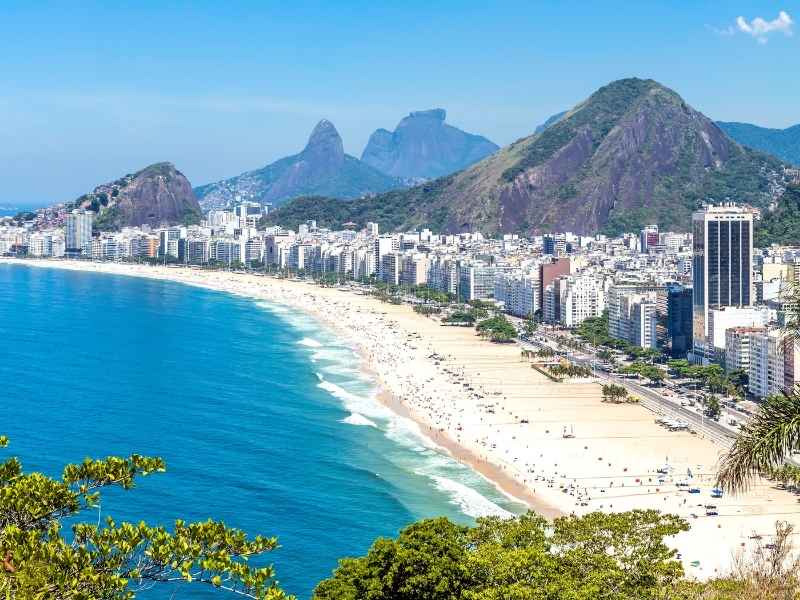
Rio de Janeiro real estate investment is gaining renewed attention in 2026, particularly in the prestigious Zona Sul. Neighborhoods such as Ipanema, Leblon, Copacabana and Lagoa combine lifestyle, scarcity and global appeal in a way few cities can match. For international buyers, the city offers a rare balance between quality of life and long-term real estate potential.
A Market Defined by Scarcity and Location
The geography of Rio de Janeiro plays a central role in its real estate dynamics. The Zona Sul is constrained between the ocean, mountains and protected areas, which limits new development.
This structural scarcity supports long-term value, especially in prime beachfront and near-beach locations. Unlike expanding cities, supply in these neighborhoods cannot easily adjust to demand.
Global Lifestyle Appeal Driving Demand
Rio de Janeiro is more than a real estate market. It is a global lifestyle destination. The combination of beach culture, outdoor living and architecture continues to attract international buyers.
Many acquisitions are driven by personal use as well as investment logic. This creates a diversified demand base and supports long-term resilience.
Growing International Visibility
The city’s global positioning has strengthened in recent years. Major events and tourism growth have increased its international exposure.
This visibility reinforces interest in well-located properties, especially in neighborhoods that combine convenience and lifestyle.
Rental Market Dynamics in Zona Sul
The rental market remains active throughout the year. Demand is supported by tourism, business travel and medium-term stays.
Apartments in Ipanema and Leblon are particularly sought after. This supports both occupancy levels and income potential for owners.
How Rio compares to other global lifestyle markets
When compared to established destinations such as Lisbon, Cannes ou Marbella, Rio de Janeiro stands at a different stage of its real estate cycle. While these markets have already seen strong international demand over the past decade, Rio is still evolving in its global positioning.
This creates a distinct opportunity profile. Buyers can access prime coastal locations in a market that remains relatively accessible, while benefiting from a lifestyle offering comparable to the world’s most desirable destinations.
Rather than competing directly with these cities, Rio complements them. It offers an alternative for investors and buyers seeking diversification, experience and long-term potential in a globally recognized destination.
A Long-Term Perspective on the Market
Real estate in Zona Sul is typically approached with a long-term perspective. Limited supply and sustained demand create a stable environment over time.
For buyers seeking both lifestyle and investment exposure, Rio de Janeiro continues to stand out in 2026.
Planning a purchase? Read our guide to buying property in Rio de Janeiro as a foreigner or browse apartments for sale in Rio de Janeiro.
Last reviewed: October 2026 – price figures follow the FipeZAP August 2026 index; see the Q4 2026 market report for the latest data.
Frequently Asked Questions
Why is Zona Sul the most attractive part of Rio de Janeiro for real estate investment?
Zona Sul – Ipanema, Leblon, Copacabana, Lagoa, Botafogo – is squeezed between ocean, mountains and protected forest, so supply is fixed while domestic and international demand keeps rising. It also has the deepest resale and rental markets in the city.
How much does property in Zona Sul cost?
FipeZAP’s August 2026 index: Leblon R$ 28,751 per square meter (+13.6 % in twelve months), Ipanema R$ 26,612 (+8.6 %), Lagoa R$ 17,488, Copacabana R$ 13,626 (+9.1 %), Botafogo R$ 13,357 – against a city average of about R$ 11,200. Leblon and Ipanema are the two most expensive neighborhoods in Brazil.
Is Rio de Janeiro real estate a good investment in 2026?
For long-term holders, the fundamentals are strong: prices rose faster than inflation in 2026, foreign buyers now take a measurable share of South Zone sales, and tourism is at record levels. Gross rental yields are modest (about 5–6.7 % depending on the neighborhood), so the case is appreciation plus personal use rather than cash flow.
How does Rio compare with Lisbon, Marbella or Miami?
Rio is earlier in its international cycle: prime beachfront in Ipanema or Leblon costs a fraction of comparable addresses in Miami or the Côte d’Azur, with a favorable exchange rate for buyers in dollars or euros. The trade-off is higher interest rates and a less liquid mortgage market, so most foreign buyers pay cash.
Which Zona Sul neighborhood should an investor choose?
Ipanema and Leblon for scarcity, prestige and the strongest resale liquidity; Copacabana and Botafogo for lower entry prices and higher rental yields; Lagoa for larger apartments and views. Our top areas to invest guide compares them.
Can foreigners buy property in Zona Sul?
Yes, in their own name with a CPF tax number, resident or not. Closing costs are around 5 % of the price. See buying property in Brazil as a foreigner.
Off-market and newly listed apartments, penthouses and houses in Ipanema, Leblon, Copacabana and Zona Sul. At most one email a week.