



Is Rio de Janeiro Safe? An Honest Neighbourhood Guide for Buyers and Long-Stay Visitors (2026)
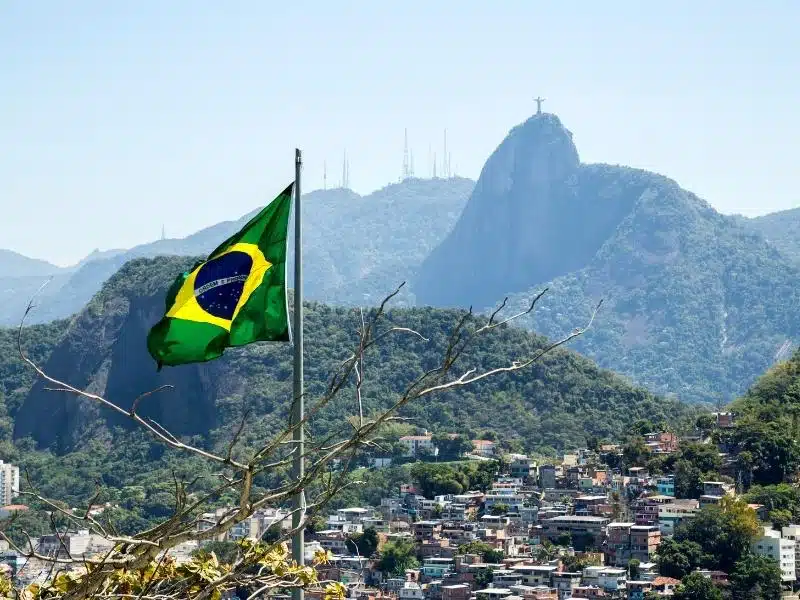
Is Rio de Janeiro safe? It is the first question almost every client asks us, usually before the question about prices. The honest answer is: it depends entirely on where you are. Rio is a city of more than six million people, cut into separate worlds by its mountains. The neighbourhoods where foreigners live, rent and buy are Ipanema, Leblon, Lagoa, Jardim Botânico, Gávea, Urca, Botafogo, São Conrado and Joá. They form a well-protected bubble that has little in common with the Rio you see in the news. This guide explains how that bubble works, what the real risks are, how safety differs street by street, and what to check before you buy or rent an apartment here. It is written from our office in Ipanema, where we have lived and worked for more than five years.
By David Schielke, Real Estate Broker CRECI-RJ 089162/O, Oabitat Real Estate, Ipanema. Last reviewed: October 2026.
Is Rio de Janeiro safe? The short answer: yes in the right neighbourhoods, with big-city common sense
In the best neighbourhoods of Rio, which are also the most expensive neighbourhoods in all of Brazil, daily life is as safe as in any large city. You watch your phone and your bag in crowds, you do not walk down an empty beach at three in the morning, and that is about it. Violent crime against residents or visitors in Ipanema or Leblon is rare: these are the areas with the most tourists and the highest incomes, and therefore the areas with the heaviest police presence and the strongest interest of the city and the state in keeping them calm. What people hear about Rio, the shootings, the gang violence, happens overwhelmingly in parts of the city that are far from here, that are not where our clients buy and that most of them will never see. City-wide statistics mix all of it together, which is why the numbers look frightening and the lived experience in Zona Sul does not match them.
Why Rio de Janeiro is a city of bubbles
Two things explain the gap between the headlines and Zona Sul. The first is geography: Rio is physically divided by granite mountains and tunnels, so the South Zone (Zona Sul) along the beaches is separated from the North Zone and the West Zone in a way that flat cities are not. The second is Brazil’s social structure: a very large income gap and a thin middle class mean that neighbourhoods differ enormously from one another, and even within a neighbourhood a few corners can be noticeably worse than the rest. For a newcomer this is confusing. For a resident it becomes second nature: you know which streets are yours, and the city feels much smaller and much safer than its size suggests.
Is Rio de Janeiro safe where foreigners live? Neighbourhood by neighbourhood
Ipanema and Leblon
The two most sought-after neighbourhoods in Brazil and the centre of the expat community. Busy, well-lit streets, doormen in almost every building, police posts along the beach, restaurants open late. The residential grid between the beach and the lagoon is where most of our clients buy. Pickpocketing on the beach and in the crowds of Rua Visconde de Pirajá is the realistic risk; keep your phone out of sight on the sand. Browse apartments in Ipanema and apartments in Leblon.
Copacabana and Leme
Denser, older and more mixed than Ipanema, with the widest range of prices in Zona Sul and the most apartments for sale. The beachfront avenue (Avenida Atlântica) and the main shopping streets are busy and patrolled; the quality varies more from block to block than in Ipanema, which is exactly why you should walk the street at night before you buy. Leme, at the quiet northern end, is residential and popular with families. See real estate in Copacabana.
Lagoa, Jardim Botânico and Gávea
Green, residential and quiet, around the lagoon and the botanical garden, with some of the city’s best schools and the highest house prices. Very few tourists, very little street crime, large gated buildings and houses. The trade-off is that you need a car or a taxi more often than on the beach grid. See Lagoa, Jardim Botânico and Gávea.
Botafogo, Urca and Flamengo
Urca is a small peninsula below the Sugarloaf with a single access road and is widely considered the quietest and safest neighbourhood in the city. Botafogo is a lively, younger neighbourhood with metro access and much lower prices than Ipanema; the streets around Praia de Botafogo and Rua Voluntários da Pátria are busy and pleasant, some side streets near the hills less so. Flamengo is similar, with the large seaside park. See Botafogo and Urca.
São Conrado and Joá
Low-density, high-end and car-based: large apartments and houses with sea views, gated condominiums with their own security, the golf course and the hang-gliding beach. São Conrado sits next to Rocinha, Brazil’s largest favela, and the two coexist with a clear separation; residents live in condominiums with 24-hour security and move by car. For buyers who want space, views and privacy rather than street life, this is where to look. See São Conrado and Joá.
Favelas next to the richest neighbourhoods: what it means in practice
Every Zona Sul neighbourhood has an informal community (favela) on a nearby hillside: Vidigal and Cruzada de São Sebastião near Leblon, Rocinha above Gávea and São Conrado, Pavão-Pavãozinho and Cantagalo between Ipanema and Copacabana, and several smaller ones behind Copacabana and Botafogo. Foreigners find this hard to read at first. In daily life the two worlds meet constantly and mostly uneventfully: the people who work in the buildings, shops and restaurants of Ipanema often live on those hills. The practical consequence for a buyer is not to avoid Zona Sul, but to know the micro-location: the streets directly at the foot of a hill are cheaper for a reason, and the price difference between two parallel streets in Copacabana or Ipanema often reflects exactly this. We explain the micro-locations of Ipanema, Leblon and Copacabana in detail during a viewing, and we will tell you honestly which corners we would not buy in.
Everyday safety rules that residents actually follow
- Phone. Phone snatching is the most common crime in Zona Sul. Do not walk with the phone in your hand along the street; take it out when you need it and put it back. On the beach, keep it in the bag under your towel or leave it at home.
- Crowds and the beach. Carnival blocos, New Year’s Eve in Copacabana and the busiest beach Sundays are pickpocket territory, as in any big city. Take only what you need. Do not leave bags unattended while swimming.
- Night. Stay on the lit, busy streets; use Uber or a taxi for anything beyond a few blocks after midnight. Avoid the empty beach sand and the tunnels on foot at night.
- Money. Pay by card or Pix almost everywhere; use ATMs inside bank branches or shopping centres during the day.
- Getting around. Uber and 99 are cheap and reliable; the metro covers Zona Sul well by day. Do not drive into unfamiliar areas with navigation apps that route through hillsides.
- If something happens. Do not resist a robbery. Report it at the tourist police station (DEAT) in Leblon or online with the Polícia Civil; you will need the report for insurance.
Safety for property buyers: what we check before you buy
In Rio, the building matters as much as the street. Almost every residential building in Zona Sul has a portaria, a staffed entrance with a doorman around the clock, controlled access, cameras and often a second door before the lifts. That is the single biggest reason apartments in Rio feel safe from the inside, and it is included in the monthly condominium fee. When we assess an apartment for a client we look at the street at different times of day, the building’s access control and the quality of the doormen, the floor (higher floors are preferred), whether windows face the street or an inner courtyard, and the immediate surroundings such as a lit corner, a police post or a hillside. Houses are a different question: in Jardim Botânico, Gávea and Joá most of them sit in gated streets or condominiums with private security, which is part of what you pay for. We cover this in our guide to buying property in Brazil as a foreigner, and current apartments for sale in Rio de Janeiro are on our listings page.
Is Rio de Janeiro safe according to the statistics?
Crime in the state of Rio de Janeiro is published monthly by the Instituto de Segurança Pública (ISP-RJ), broken down by police area, so you can look at Zona Sul separately from the rest of the city. The pattern is the same every year: violent crime concentrates in the North and West Zones and the metropolitan periphery, while the Zona Sul neighbourhoods record mainly theft and phone robbery. Headlines and international indices use the figures for the whole city or state, which is why Rio appears dangerous in rankings and feels safe in Ipanema. If you want to check yourself, use the ISP-RJ data for the police areas covering Ipanema, Leblon, Copacabana and Botafogo rather than the city total. We deliberately do not quote numbers here, because they change every month and are easy to misread; we will walk you through the current ones at a viewing.
Safety and price go together in Rio: the safest neighbourhoods are also the most expensive ones. For current rents, condominium fees and purchase prices per square metre in exactly these areas, see our guide to the cost of living in Rio de Janeiro.
How Oabitat helps you choose a safe home in Rio
We live where our clients buy. Our office is in Ipanema, we are a member of the German-Brazilian Chamber of Commerce (AHK), and we have worked with German, Swiss, Austrian, French, Italian and American buyers and tenants for more than five years. We will tell you which streets we would and would not live in, show you the building security on every viewing, and help you rent a furnished apartment first if you want to get a feel for a neighbourhood before buying. Write to consultant@oabitat.com, message us on WhatsApp +55 21 95902-8516, or use our contact page. If you are planning a move, start with our guide to moving to Brazil and living in Rio de Janeiro.
Frequently Asked Questions
Is Rio de Janeiro safe for tourists?
In Zona Sul, yes, with normal big-city precautions: keep your phone out of sight, avoid empty streets and the beach at night, and use Uber or taxis after dark. Most incidents involving visitors are pickpocketing and phone snatching, not violent crime.
Which is the safest neighbourhood in Rio de Janeiro?
Urca is usually named first because of its single access road and village feel. Leblon, Ipanema, Lagoa, Jardim Botânico, Gávea and Joá follow closely. Among the beach neighbourhoods, Leblon and Ipanema are considered the safest.
Is Copacabana safe to live in?
Yes for most of its streets, especially the blocks between Avenida Atlântica and Rua Barata Ribeiro and the quiet Leme end. Copacabana varies more from block to block than Ipanema, so visit the exact street by day and by night before you rent or buy.
Is it safe to buy an apartment next to a favela?
Every Zona Sul neighbourhood has a favela on a nearby hill, and most residents never have a problem. The question is the micro-location: streets directly at the foot of a hill trade at a discount, and a building’s access control matters more than the distance on the map. We show you both before you decide.
Is Rio de Janeiro safe at night?
The restaurant and bar streets of Ipanema, Leblon, Botafogo and Copacabana are busy and fine until late. Take an Uber or taxi for longer distances after midnight and avoid the beach sand, parks and tunnels on foot.
Is Rio safer than São Paulo?
Both cities have safe, wealthy districts and dangerous peripheries, and both appear in international rankings because of city-wide figures. For a resident in Zona Sul the everyday experience is comparable to the better districts of São Paulo, with the difference that Rio’s safe areas are concentrated along the beaches and easy to understand.
What should I check for safety before buying in Rio?
The street at night, the building’s portaria and access control, the floor and the direction of the windows, the immediate surroundings and the condominium’s security budget. For houses, whether the street is gated or the condominium has its own guards.
This article reflects the experience of our team living and working in Zona Sul and is general information, not a guarantee of personal safety. Conditions can change; consult the Instituto de Segurança Pública (ISP-RJ) statistics and your country’s travel advice for current official information.
Off-market and newly listed apartments, penthouses and houses in Ipanema, Leblon, Copacabana and Zona Sul. At most one email a week.