



Moving to Brazil: A Practical Guide to Living in Rio de Janeiro (2026)
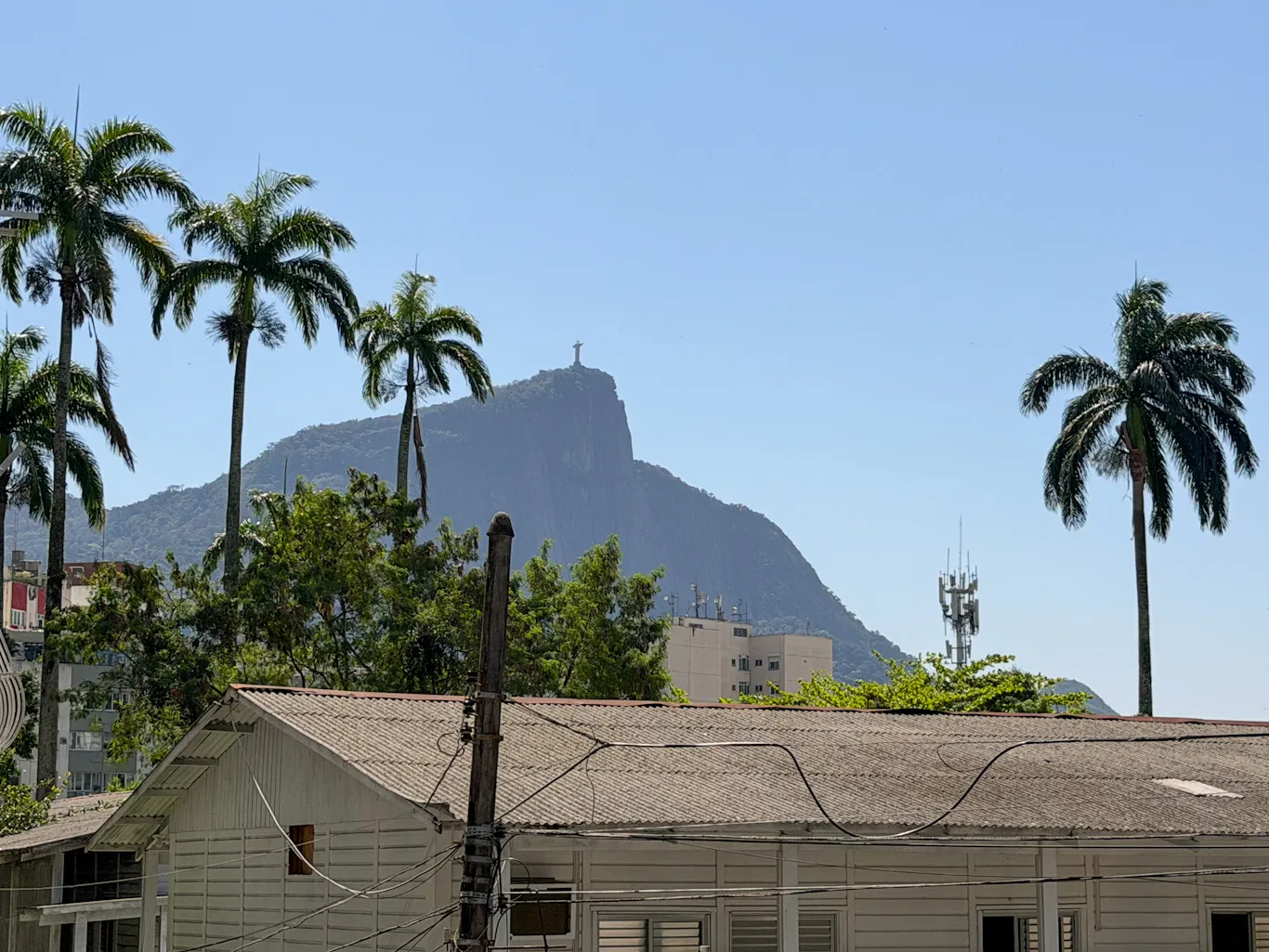
By David Schielke, Real Estate Broker CRECI-RJ 089162/O, Oabitat Real Estate, Ipanema. Last reviewed: October 2026.
Moving to Brazil is easier than most Europeans and North Americans expect, provided you choose the right visa route before you arrive and sort out a handful of registrations in your first weeks. This guide explains the visa options foreigners actually use in 2026, what to do in your first 90 days, how to find a home in Rio de Janeiro, and how rent, purchase and residence fit together. It is written from our office in Ipanema, where we help German, Swiss, Austrian, French, Italian and American clients settle in Rio every month.
Who moves to Brazil, and why Rio de Janeiro
Three groups make up most of the foreigners who relocate to Rio: remote workers and freelancers who can live anywhere and choose the beach, retirees who want a warm climate and a lower cost of living than at home, and buyers who already own or plan to buy an apartment in Zona Sul and want to spend more of the year in it. Rio de Janeiro offers something the other big Brazilian cities do not: Ipanema, Leblon, Copacabana, Urca and Jardim Botânico combine beach, mountains and city life within a few kilometres, with an international community that makes the first months much easier.
Visa options for moving to Brazil in 2026
Brazil’s Migration Law (Lei 13.445/2017) is generous by international standards. These are the routes we see most often among our clients. Rules change, consulates interpret them differently, and this article is general information, not legal advice. Always confirm the current requirements with the Brazilian consulate or an immigration lawyer before you move.
1. Arriving as a tourist first
Citizens of the EU, the United Kingdom and Switzerland enter Brazil without a visa for up to 90 days. The stay can be extended once at the Polícia Federal for another 90 days, up to a maximum of 180 days in any 12-month period. Since April 2025, citizens of the United States, Canada and Australia need an electronic visa (e-Visa) before travelling. Many people use a tourist stay to test Rio for a season, rent a furnished apartment and decide which long-term route suits them. You cannot work for a Brazilian employer on a tourist entry, and you cannot convert most visas from inside Brazil, so plan the next step while you are still here.
2. Digital nomad visa (VITEM XIV)
Introduced in 2022, this is now the most common route for remote workers. You must prove that your income comes from outside Brazil: a monthly income of at least US$1,500, or available funds of at least US$18,000. The visa is issued for one year and can be renewed once for a second year. Applications are made at a Brazilian consulate abroad; after arrival you register with the Polícia Federal and receive your residence card (CRNM). Note that spending more than 183 days in Brazil within 12 months makes you a Brazilian tax resident, which the visa does not change.
3. Student visa (VITEM IV) through a Portuguese course
A popular and underrated option: enrol in a Portuguese-for-foreigners course at a recognised institution with at least 15 class hours per week and you qualify for a student visa. For language courses it is usually issued for up to 12 months and can be renewed at the Polícia Federal as long as you remain enrolled. You learn the language, meet people and gain legal residence at the same time. Proof of funds of roughly one Brazilian minimum wage per month of study is normally requested.
4. Family: marriage or registered stable union (união estável)
Many foreigners who come for a season meet a partner. Brazil recognises the união estável, a registered stable union, as a basis for residence in the same way as marriage, and registering a union at a notary (cartório) is considerably simpler than a wedding. With the public deed and proof of a shared life you can apply for residence by family reunion at the Polícia Federal. A foreigner with a Brazilian spouse or partner can apply for naturalisation after one year of residence instead of the usual four.
5. Investor residence through real estate (the “golden visa”)
This is the route that matters most to our buyers. Under Resolução Normativa CNIg 36/2018, a foreigner who buys urban real estate in Brazil worth at least R$1,000,000 (R$700,000 in the North and Northeast regions) with funds brought in through the official exchange system can apply for investor residence. In Rio de Janeiro, R$1 million corresponds to a good two- or three-bedroom apartment in Zona Sul, so the threshold is reached with a property most buyers would choose anyway. The property must be kept for the residence to remain valid. We handle the purchase and work with immigration lawyers so that the visa application follows directly after the deed. Details, costs and timeline are in our Brazil Golden Visa guide.
6. Investor residence through a company
Under Resolução Normativa CNIg 13/2017, investing at least R$500,000 in a Brazilian company you own, with a business plan, also qualifies for investor residence. A reduced threshold of about R$150,000 exists for innovation and technology start-ups that meet specific conditions. This route suits people who want to run a business in Brazil rather than only live here; the company must stay active and meet the commitments made in the application.
7. Retirees and employees
Retirees with a foreign pension have their own residence route, explained in our guide to retiring in Rio de Janeiro. A work visa requires a Brazilian employer to sponsor you; what foreigners realistically do for a living here is covered in Working in Rio de Janeiro as a foreigner.
Your first 90 days: the practical checklist
- CPF (tax number). You need it for a phone contract, a bank account, a lease and any purchase. It can be obtained before you arrive at a consulate or in Brazil. See our CPF guide for foreigners.
- Polícia Federal registration. Holders of a temporary visa must register within 90 days of arrival to receive the CRNM residence card. Book the appointment online as soon as you land; slots in Rio fill up.
- Bank account. Traditional banks usually ask for the CRNM; digital banks are faster once you have a CPF and a Brazilian address. Keep your foreign account for transfers. How to move money without losing on the exchange rate is explained here.
- Health insurance. Brazil’s public system (SUS) is open to residents, but almost all foreigners take a private plan. Prices depend on age and coverage; compare at least two providers.
- Driving. A foreign licence is accepted for up to 180 days; after that it must be exchanged for a Brazilian one at the Detran. In Zona Sul most residents do not need a car.
- Taxes. After 183 days in Brazil within 12 months you become a tax resident and declare worldwide income. Germany, France, Italy, Spain and others have double-taxation agreements with Brazil; the United States does not. Talk to a tax adviser in both countries before the move, not after.
Where to live in Rio de Janeiro
Almost every foreigner who moves to Rio ends up in Zona Sul, and for good reasons: it is where the beaches, the safest streets, the international schools, the hospitals and the expat community are. Ipanema and Leblon are the most sought-after and the most expensive; Copacabana offers the widest range of prices and the most apartments; Botafogo, Flamengo and Laranjeiras are quieter, well connected by metro and noticeably cheaper; Urca and Jardim Botânico are residential and green. Our price index per square metre shows what each neighbourhood costs today.
Safety is the question behind every neighbourhood choice, so we answer it separately and honestly in Is Rio de Janeiro safe? A neighbourhood guide for buyers and long-stay visitors.
Rent first or buy straight away?
Our standard advice: rent a furnished apartment for the first three to six months, learn which streets and which floor you like, then buy. Furnished rentals in Ipanema, Leblon and Copacabana are available by the week or month and need nothing more than a passport and a deposit, see our apartments for rent in Rio de Janeiro and the guide on how to rent as a foreigner. Buying is open to foreigners without restrictions for urban property; you need a CPF, the funds transferred through the official exchange system and a trusted broker and lawyer. Closing costs are around 5 percent of the price. The full process is in Buying property in Brazil as a foreigner, and current listings are on our properties for sale in Rio de Janeiro page.
Cost of living compared with Europe and the United States
Day-to-day life in Rio costs noticeably less than in Munich, Zurich, Paris or New York: eating out, domestic help, transport, gyms and services are the big savings. Imported goods, electronics, cars and private schooling are not cheaper, and prime real estate in Leblon and Ipanema is priced like a world city, though still below comparable beachfront in Europe or the United States per square metre. The exchange rate matters more than any single price: a euro or dollar income goes a long way, which is exactly why the digital nomad and retiree routes work so well here.
For the actual numbers, rents per square metre by neighbourhood, condominium fees, purchase prices and three sample budgets, see our guide to the cost of living in Rio de Janeiro.
How Oabitat helps you settle in Rio
We are a real estate agency in Ipanema with more than five years of experience with foreign clients and a member of the German-Brazilian Chamber of Commerce (AHK). We find your rental for the first months, show you apartments and houses to buy in Zona Sul, coordinate lawyer, notary and currency transfer, and, if you buy at the investor threshold, connect you with immigration lawyers so that your residence application follows the purchase. Write to us at consultant@oabitat.com, message us on WhatsApp +55 21 95902-8516, or use our contact page.
Frequently Asked Questions
Can I move to Brazil without a job?
Yes. The digital nomad visa (foreign income of US$1,500 per month or US$18,000 in savings), the student visa through a Portuguese course, the retiree route and the investor residence through a property worth R$1,000,000 or more do not require a Brazilian employer.
How long can I stay in Brazil as a tourist?
EU, UK and Swiss citizens can stay 90 days without a visa and extend once at the Polícia Federal, up to 180 days in a 12-month period. US, Canadian and Australian citizens need an e-Visa before travelling.
Does buying an apartment in Rio give me residence?
Buying property alone does not, but a purchase of at least R$1,000,000 in urban real estate with funds brought in through the official exchange system qualifies you to apply for investor residence under Resolução Normativa 36/2018. Most two- and three-bedroom apartments in Ipanema and Leblon are above that value.
Is a registered stable union really enough for a visa?
Brazil treats a união estável registered at a notary like a marriage for immigration purposes. With the public deed and evidence of a shared life you can apply for residence by family reunion, and naturalisation becomes possible after one year of residence.
Do I need to speak Portuguese to move to Rio?
Not to arrive, but you will need it for daily life outside Zona Sul’s tourist streets, for the Polícia Federal and for naturalisation, which requires a Portuguese test. A language course also happens to be one of the easiest visa routes.
When do I become a tax resident in Brazil?
After 183 days of presence within any 12-month period, or immediately if you enter on a permanent-type residence. From then on you declare worldwide income in Brazil. Check the double-taxation agreement between Brazil and your home country with an adviser; this article is not tax advice.
Which neighbourhood is best for a foreigner moving to Rio?
Ipanema and Leblon for beach life and the strongest international community, Copacabana for the widest choice of apartments, Botafogo and Flamengo for value and metro access, Urca and Jardim Botânico for quiet. Rent for a season before you decide.
What should Americans know about living in Brazil?
Three things differ for US citizens. You need an e-Visa before travelling (since April 2025), there is no income-tax treaty between the United States and Brazil, so plan your tax residency with an adviser in both countries before you move, and the digital nomad visa works well for Americans with remote US income, which is paid in dollars and goes a long way in Rio. Everything else in this guide applies equally.
This article provides general information about moving to Brazil and does not constitute legal, tax or immigration advice. Visa rules change; confirm current requirements with the Brazilian consulate, the Polícia Federal or a licensed immigration lawyer. Sources: Lei 13.445/2017 (Migration Law); Resolução CNIg 45/2021 (digital nomad visa); Resolução Normativa CNIg 36/2018 (real estate investor residence); Resolução Normativa CNIg 13/2017 (company investor residence); Resolução Normativa CNIg 1/2017 (study).
Off-market and newly listed apartments, penthouses and houses in Ipanema, Leblon, Copacabana and Zona Sul. At most one email a week.