

Moving to Brazil from the US is easier than most Americans expect – the visa paths are clear, property is open to foreigners, and Rio’s Zona Sul runs on a dollar budget that feels like 2010 Miami. The part that catches people out is paperwork on the American side: the IRS does not let you go, and there is no US–Brazil income tax treaty. This guide covers both halves.
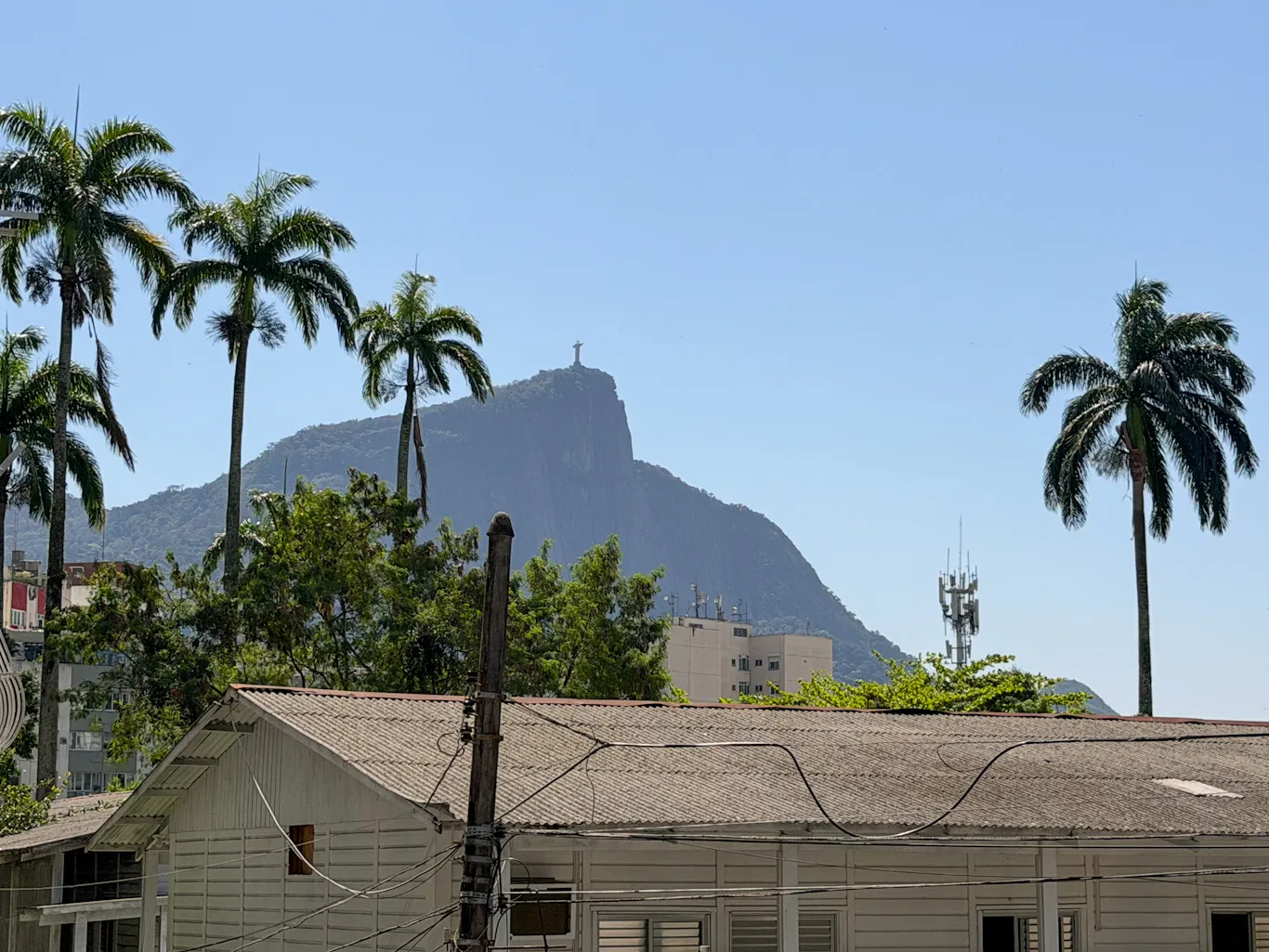
The Americans we meet in Ipanema fall into four groups: remote workers on the digital nomad visa, retirees stretching Social Security or a 401(k), couples where one partner is Brazilian, and investors who bought an apartment first and decided to live in it. What they share is the arithmetic. A dollar income spent in reais buys a beachfront lifestyle – Ipanema, Leblon, Copacabana, Lagoa, Botafogo – that would cost several times more in any coastal US city, and Rio has non-stop flights to New York and Miami, so family is a single overnight flight away.
Since 10 April 2025, US citizens need an eVisa even for tourism (90 days, extendable once to 180). For living in Brazil you choose one of four long-stay routes:
The general steps for all of them – CPF, Polícia Federal registration, bank account, SUS health card – are in our moving to Brazil guide.
This is the section that matters most for Americans, because the United States taxes its citizens on worldwide income wherever they live. Four points to plan around:
On the Brazilian side you become a tax resident after 183 days in any 12-month period (or on arrival with a permanent visa). Brazilian income tax tops out at 27.5 %; rental income from a Brazilian property is taxed in Brazil whether or not you live here. Our Brazilian income tax guide and the legal and tax guide go into detail.
Practical rule for Americans: keep a US bank account and a US address for the IRS, open a Brazilian account for daily life, and have one adviser who files on both sides. Most problems we see come from people who filed in one country and forgot the other.
Rents in Rio rose 14.8 % in the twelve months to September 2026 – the strongest increase among Brazil’s large capitals – but in dollar terms the Zona Sul remains inexpensive for an American. Our cost of living in Rio de Janeiro guide lists real rents per square metre by neighbourhood, condominium fees and daily expenses. Transferring money is the second question: see how to transfer money to Brazil without losing on the exchange rate – the mechanics are the same from the US.
Most Americans rent for the first year and buy in the second. Renting as a foreigner usually means a furnished apartment with a 12-month contract or a managed long-term rental; the rules are in how to rent in Rio de Janeiro as a foreigner and current units on apartments for rent in Rio de Janeiro. Buying needs only a passport and a CPF – no residency, no visa – and the purchase of R$ 1 million or more doubles as the investor-visa route. Closing costs are around 5 % of the price. Start with buying property in Rio de Janeiro and the current properties for sale in Rio de Janeiro.
Safety is the first question every American asks; the honest answer is neighbourhood by neighbourhood, and we wrote it down in Is Rio de Janeiro safe?. Healthcare is two-tier: the public SUS system is free for residents, and private insurance plans give access to hospitals in the Zona Sul that American visitors consistently rate well. English is spoken in the clinics, banks and brokerages that serve foreigners, less so in shops – a few months of Portuguese lessons change daily life more than anything else on this page.
Yes. The digital nomad, retirement, investor (VITEM IX) and family-reunion visas all lead to residence permits; the investor visa grants a renewable residence that can lead to permanent status after the investment is maintained for the required period.
Yes – US citizens file a US return on worldwide income wherever they live. The Foreign Earned Income Exclusion ($132,900 for 2026) and the Foreign Tax Credit prevent most double taxation, but there is no US–Brazil income tax treaty, and FBAR/FATCA reporting of Brazilian accounts still applies.
No comprehensive income tax treaty exists. There is a totalization agreement for social security contributions and a tax-information exchange agreement, but relief from double income taxation comes from the US Foreign Tax Credit and the FEIE, not from a treaty.
With a tourist eVisa, 90 days, extendable once to 180 days in a 12-month period. Staying longer requires a long-stay visa – digital nomad, retirement, investor or family – and registration with the Polícia Federal after arrival.
Yes, with full ownership and no residency requirement: a passport and a Brazilian tax number (CPF) are enough. Only rural land and border areas carry restrictions. A purchase of R$ 1 million or more in an urban area also qualifies for the investor visa.
We are a licensed brokerage in Ipanema working with American buyers and tenants in English. Whether you are weighing a year’s rental or a purchase that doubles as your visa, a free 30-minute briefing with real prices is the fastest way to decide.
This guide is general information for Americans considering a move to Brazil, not legal, tax or immigration advice. Tax figures: IRS (FEIE 2025/2026, FBAR, Form 8938 thresholds); Brazilian residency and rate: Receita Federal. Visa rules change – confirm with the Brazilian consulate and a cross-border tax adviser before you move.
Off-market and newly listed apartments, penthouses and houses in Ipanema, Leblon, Copacabana and Zona Sul. At most one email a week.
 English English
 Português do Brasil
 Deutsch
 Español de Argentina
 Italiano
 Français
 简体中文
 Русский
A password will be e-mailed to you