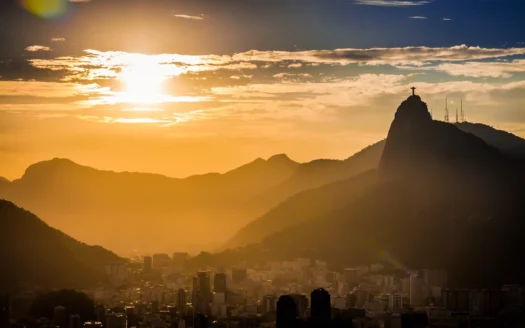

Rio de Janeiro as a Global Cultural Hub in 2025
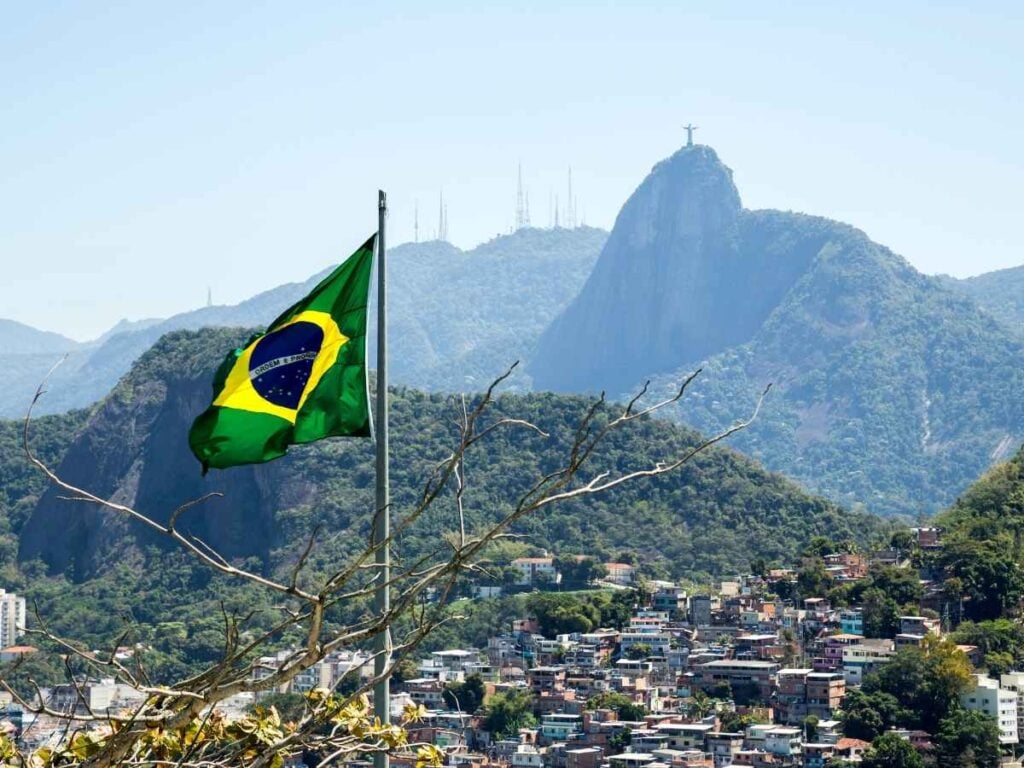
In 2025, Rio de Janeiro strengthens its international cultural profile. The city was officially named UNESCO World Book Capital, a prestigious title that highlights its commitment to literature, education, and access to reading. This recognition positions Rio as a leading cultural destination in Latin America and beyond.
The World Book Capital program runs for a full year, starting on April 23, World Book and Copyright Day. During this period, Rio hosts a wide range of literary events, public programs, and educational initiatives across the city.
Why Rio de Janeiro Was Chosen by UNESCO
UNESCO highlighted Rio de Janeiro’s strong literary tradition and its ability to connect books with daily urban life. The city combines historic institutions with large public events that promote reading for all ages.
In addition, Rio hosts one of the most important literary festivals in the region. The Bienal do Livro do Rio welcomed more than 600,000 visitors in its 2023 edition. As a result, it became the fourth largest recurring event in the city, after New Year’s Eve, Carnival, and Rock in Rio.
Rio’s Most Important Literary Institutions
The UNESCO recognition also reflects the presence of major cultural and literary institutions. These places preserve Brazil’s literary heritage while remaining open to the public.
Real Gabinete Português de Leitura
Opened in 1887, the Real Gabinete Português de Leitura is located in downtown Rio de Janeiro. It is widely considered one of the most beautiful libraries in the world. Moreover, it houses the largest collection of Portuguese literature outside Portugal.
Fundação Biblioteca Nacional
Founded in 1810, the National Library is the largest in Latin America. UNESCO ranks it among the ten largest libraries in the world. Its collection includes around nine million items, making it a key research center in Brazil.
Academia Brasileira de Letras
The Academia Brasileira de Letras was founded in 1897 by major literary figures, including Machado de Assis. Its headquarters, known as Petit Trianon, hosts a museum with manuscripts, artworks, and personal objects from its members.
World Book Capital and Cultural Tourism
The World Book Capital title reinforces Rio de Janeiro’s appeal as a cultural tourism destination. Visitors increasingly seek experiences linked to history, literature, and local identity.
At the same time, Rio continues to attract international travelers through its beaches, gastronomy, and music. Therefore, culture becomes an additional pillar of the city’s global image.
Urban Lifestyle and Cultural Living in Rio
Culture in Rio is not limited to institutions. Neighborhoods such as Ipanema, Leblon, and Copacabana offer daily access to museums, bookstores, theaters, and historic sites.
As a result, these areas attract residents who value both lifestyle and cultural proximity. High-end residential zones benefit from this dynamic, combining location, architecture, and access to cultural life.
Looking Ahead: Rio’s Cultural Legacy Beyond 2025
The UNESCO World Book Capital program leaves a lasting impact. It strengthens reading policies, improves access to books, and expands cultural education.
Ultimately, the title confirms Rio de Janeiro’s role as a global cultural capital. In 2025, the city is not only a symbol of natural beauty, but also a reference for literature, creativity, and intellectual exchange.