

Rio de Janeiro Lifestyle: A Local Guide to Living the City
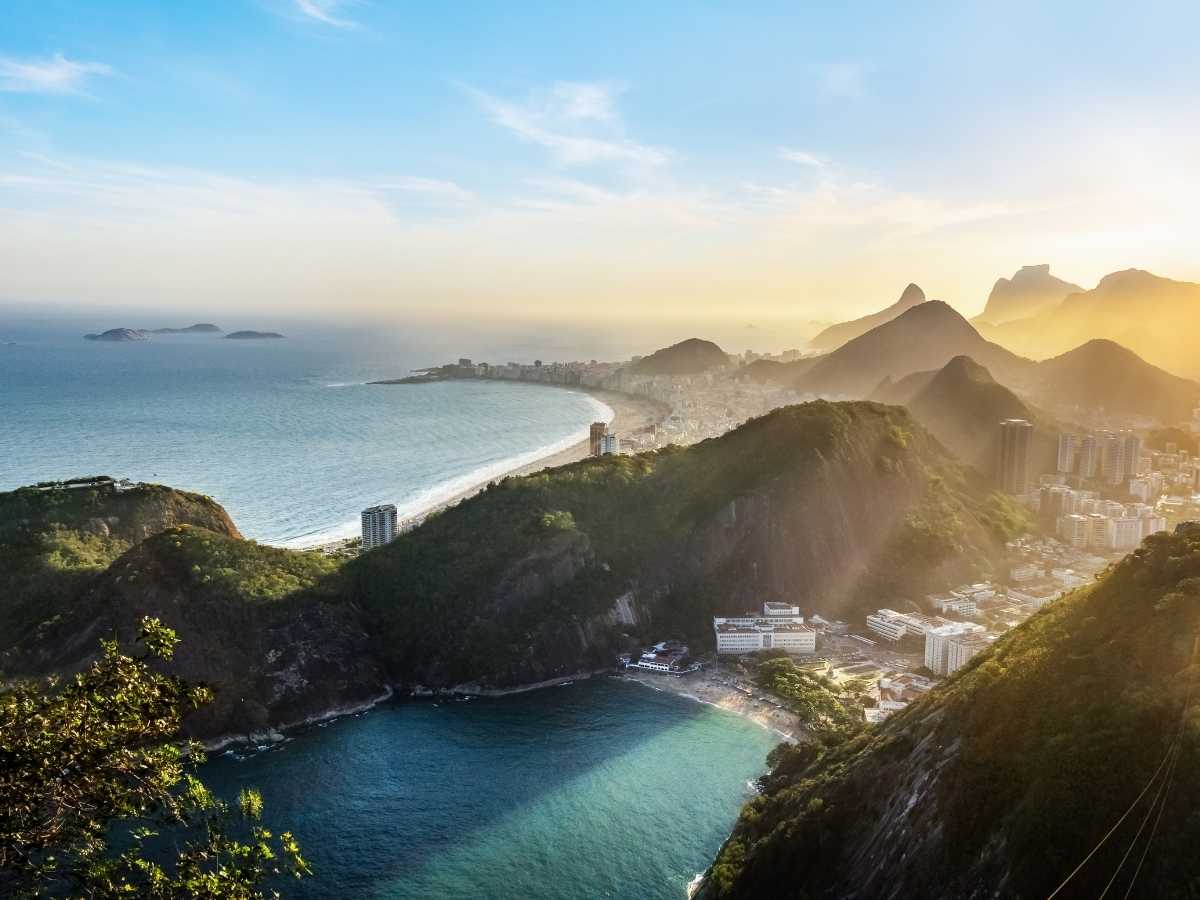
Experiencing the Rio de Janeiro lifestyle goes far beyond landmarks or tight schedules. Instead of rushing between attractions, the city invites visitors to slow down. As a result, everyday moments reveal Rio’s true character through rhythm, balance, and atmosphere.
This guide explores Rio not as a checklist destination, but as a city designed for living. Therefore, each place reflects how locals experience the city day after day.
Christ the Redeemer and the art of perspective
Christ the Redeemer stands as one of the world’s most recognized monuments. However, its role within the Rio de Janeiro lifestyle often goes deeper than photography. Locals usually visit early in the morning or late in the afternoon, when the city feels calmer.
From Corcovado, the city’s geography becomes clear. Mountains, forests, neighborhoods, and ocean coexist naturally. As a result, visitors understand how landscape shapes daily life in Rio.
Botanical Garden: a daily refuge in the South Zone
The Jardim Botânico functions as more than a tourist attraction. In fact, residents use it as a daily refuge for walking, reading, and quiet reflection. Founded in 1808, it remains one of Rio’s most important green spaces.
Moreover, its location within a residential area highlights a defining trait of the Rio de Janeiro lifestyle: nature integrates directly into urban routines.
Santa Teresa: history, culture, and community
Santa Teresa offers a slower and more residential rhythm. Historic houses, cultural centers, and independent cafés shape everyday life in the neighborhood. Consequently, the area attracts artists, families, and long-term residents.
The iconic tram and city viewpoints reinforce a lifestyle centered on proximity and community. Meanwhile, social life unfolds naturally in streets that still feel local.
Sugarloaf Mountain and Urca: living between sea and stone
Sugarloaf Mountain defines Rio’s skyline. Yet, the surrounding neighborhood of Urca tells a quieter story. Residents enjoy calm streets, waterfront paths, and strong neighborhood ties.
Therefore, the contrast between monumental scenery and residential calm perfectly reflects the Rio de Janeiro lifestyle.
Tijuca Forest: nature as part of the city
Tijuca National Park stands as the largest urban forest in the world. Rather than treating it as an excursion, locals integrate its trails and waterfalls into their routines.
As a result, outdoor activities become a natural extension of city life. This balance defines how residents experience Rio on a daily basis.
South Zone beaches: everyday life by the ocean
Beaches such as Ipanema, Leblon, Copacabana, and Flamengo function as social spaces. Early mornings bring walkers and runners, while afternoons attract families and friends.
Consequently, beach culture plays a central role in the Rio de Janeiro lifestyle, shaping habits, routines, and social connections.
Downtown Rio: culture, museums, and heritage
Downtown Rio concentrates some of the city’s most important cultural institutions. The Museu do Amanhã, CCBB, and Praça XV illustrate Rio’s intellectual and architectural depth.
Therefore, the city center complements Rio’s outdoor life with history, exhibitions, and cultural exchange.
Why Rio is a city to live in
Understanding the Rio de Janeiro lifestyle requires time and continuity. The city rewards those who stay longer and adopt its rhythm.
Ultimately, Rio transforms from a destination into a place of belonging. Life unfolds naturally, guided by landscape, culture, and everyday balance.
Learn more about the Rio de Janeiro real estate market or browse all properties for sale.