
Rio Open 2026: A New Milestone in Rio’s Global Calendar
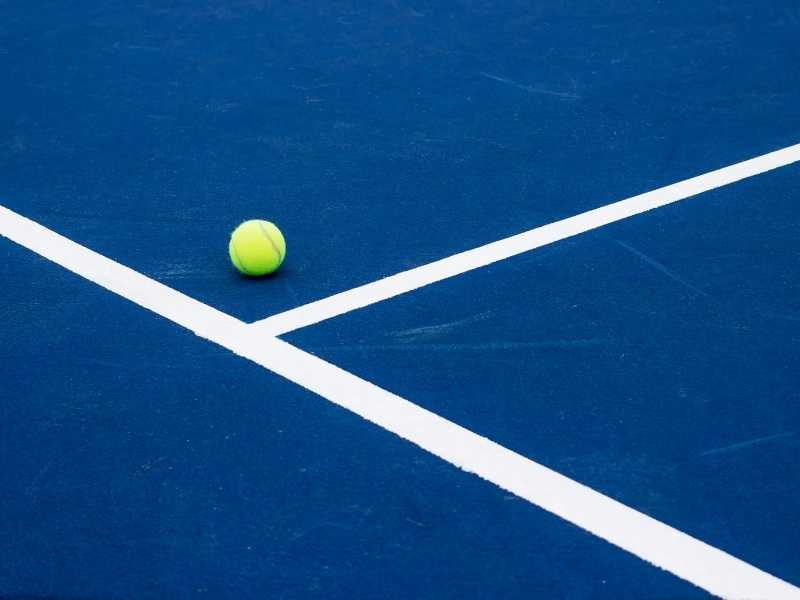
The Rio Open 2026 marked an important moment in Rio de Janeiro’s evolving international calendar. More than an ATP 500 tournament, this latest edition confirmed the event’s growing cultural, digital and economic relevance. In a city known for constant movement, the consolidation of high-profile global events strengthens long-term visibility and attractiveness.
For investors observing Rio’s trajectory, the tournament reflects a broader dynamic: sustained international attention beyond traditional peak seasons.
Record Engagement and Expanding Reach
This year’s edition reached its highest level of online interest in the past five years, with searches increasing by 35% compared to 2025. The peak occurred on February 22, when João Fonseca and Marcelo Melo captured the doubles title in front of a packed crowd.
On that day, engagement across the tournament’s official digital platforms tripled compared to the opening rounds. More than 74,000 open social media mentions were analyzed, including references to sponsors and presenting partners.
The Rio Open 2026 therefore demonstrated that its impact now extends well beyond the tennis court.
A Sporting Narrative with National Impact
Sporting performance represented a significant share of total published content about the tournament. João Fonseca appeared in the majority of competition-related publications and was cited substantially more than any other Brazilian competitor.
At just 19 years old, Fonseca’s partnership with Marcelo Melo — holder of 41 ATP titles — created a compelling generational storyline. The Brazilian duo came from behind to defeat Constantin Frantzen and Robin Haase (4/6, 6/3, 10–8), delivering one of the defining moments of the week.
The emotional resonance of that victory amplified the broader visibility of the Rio Open 2026, reinforcing its hybrid identity between elite sport and national showcase.
From ATP Event to Cultural Platform
Over time, the tournament has evolved from a traditional tour stop into a broader platform combining sport, entertainment and brand activation. The latest edition confirmed that this transformation is structural rather than temporary.
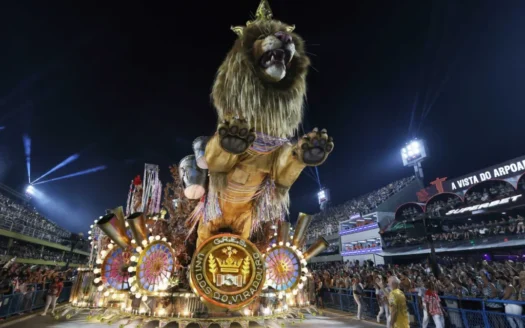
Cities that consistently host internationally recognized events benefit from diversified tourism cycles and recurring media exposure. In Rio de Janeiro, this diversification complements established anchors such as Carnival and New Year’s Eve, extending global attention across different moments of the year.
The consolidation of the Rio Open 2026 fits into this long-term pattern.
Why This Matters for Real Estate Investment
For investors, the significance of the Rio Open lies in what it represents: stability through diversification. A city supported by multiple high-visibility events tends to show greater resilience in premium segments.
International tournaments attract sponsors, corporate guests, media professionals and affluent visitors. This audience profile aligns with prime residential areas and high-end hospitality demand.
When viewed within this wider context, the Rio Open 2026 contributes to a narrative of sustained dynamism rather than isolated seasonal spikes.
A City in Constant Motion
Rio de Janeiro’s strength has always been its capacity for reinvention. The success of the latest tournament edition reinforces the city’s ability to combine international sport, digital amplification and economic activity.
For observers seeking markets defined by energy, visibility and recurring global engagement, Rio continues to present a compelling profile.