



2002年的里约南区:巴西上一次夺得世界杯冠军时,莱布隆、伊帕内玛和拉戈阿是什么样子的
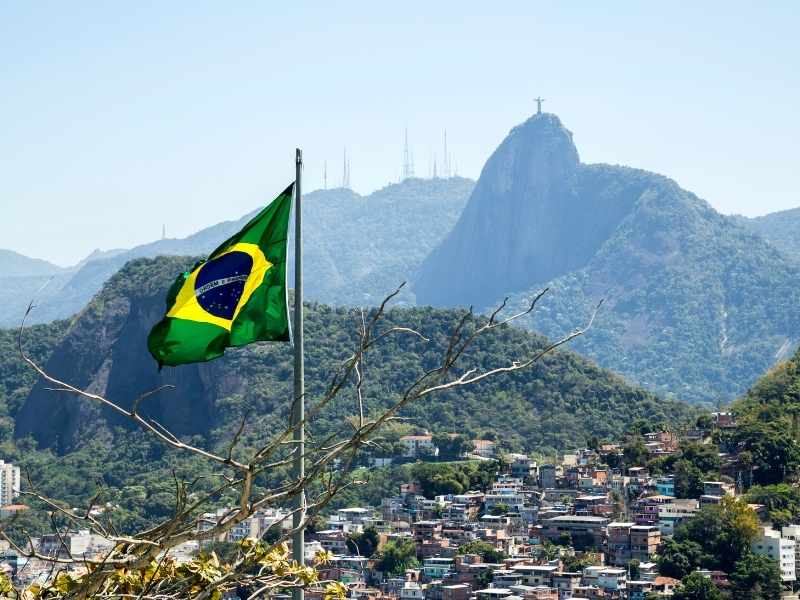
When Brazil defeated Germany 2-0 in the 2002 FIFA World Cup final, 里约热内卢 was a very different city from the one visitors and residents know today.
More than two decades before the current World Cup campaign, many of Rio’s most recognizable neighborhoods were already among the city’s most desirable addresses. However, the South Zone looked noticeably different. The metro network was smaller, several cultural venues were still operating at their peak, and many of the urban transformations that define modern Rio had not yet happened.
For residents of Ipanema, Leblon, Lagoa and Copacabana, the Rio that celebrated Brazil’s fifth world title feels both familiar and surprisingly distant.
Copacabana Was the End of the Metro Line
One of the biggest differences in everyday life involved transportation.
In 2002, Rio’s metro system was significantly smaller than it is today. The extensive connections that now link Ipanema, Leblon and Barra da Tijuca did not yet exist.
At the time, Cardeal Arcoverde Station in Copacabana served as one of the principal terminal stations of Line 1. The city had not yet completed the network expansion that would later transform mobility across the South Zone.
The metro extension toward Barra da Tijuca remained a long-term project rather than a reality.
Botafogo’s Canecão Still Dominated Rio’s Cultural Scene
In 2002, the legendary Canecão in Botafogo remained one of Brazil’s most important concert venues.
For decades, the venue hosted major Brazilian and international artists. During the year of Brazil’s World Cup victory, it continued to be one of Rio’s cultural landmarks.
Today, the building is remembered as one of the most important chapters in the city’s entertainment history. Its influence helped shape the cultural life of generations of cariocas.
Ipanema and Leblon Had Already Become Prime Addresses
Although many parts of Rio have changed dramatically since 2002, Ipanema and Leblon were already among the most prestigious residential neighborhoods in Brazil.
The beaches, walkable streets and strong restaurant scene already attracted affluent residents and international visitors.
However, the luxury market operated on a different scale. Property values remained far below today’s levels, and international demand for short-term rentals was considerably smaller.
At that time, Leblon had not yet become the neighborhood with the highest average residential prices in the country.
The South Zone Before the Luxury Tourism Boom
Rio’s tourism industry looked very different in 2002.
International visitor numbers were lower than current levels, and the city had not yet benefited from major events such as the 2014 FIFA World Cup and the 2016 Olympic Games.
As a result, the premium rental market in neighborhoods such as Ipanema and Leblon remained far more local than international.
Today, foreign buyers, digital entrepreneurs and long-stay visitors regularly consider South Zone properties as lifestyle investments. That trend barely existed when Brazil won its last World Cup title.
Copacabana Remained the City’s International Gateway
In 2002, Copacabana continued to be Rio’s best-known neighborhood abroad.
Most international tourists concentrated around Copacabana Beach and Avenida Atlântica. Meanwhile, Ipanema and Leblon were still relatively less visible in international travel publications than they are today.
Over the following decades, global exposure helped elevate the profile of the entire South Zone, particularly among luxury travelers seeking a more local experience.
Lagoa Offered a Different Lifestyle Than Today
The Lagoa neighborhood was already one of Rio’s most attractive residential areas in 2002.
The views over Lagoa Rodrigo de Freitas, access to green spaces and central location made it highly desirable.
Nevertheless, the area had not yet experienced the same level of international recognition seen today.
Many buyers focused primarily on beachfront addresses in Ipanema and Leblon, while Lagoa remained something of a hidden gem within Rio’s high-end residential market.
What Has Changed Since Brazil’s Last World Cup Title?
The skyline of the South Zone remains largely recognizable. The beaches are the same. The mountains still frame the city. The lifestyle that attracts people from around the world also remains intact.
Yet many aspects of daily life have changed.
Transportation improved. Property values increased significantly. International tourism expanded. Furthermore, Rio developed a much stronger global reputation as a destination for luxury travel and lifestyle-focused visitors.
Perhaps the biggest difference is that today’s South Zone attracts a far more international audience than it did in 2002.
As Brazil pursues another World Cup title in 2026, many cariocas remember the last championship through the lens of a city that was both familiar and very different from the Rio we know today.