









里约热内卢的米其林星级餐厅:2026 年这里的美食达到全球标准
里约热内卢 continues to strengthen its position on the global gastronomy map, and the Michelin Guide 2026 ceremony, held at the iconic Copacabana Palace, once again highlights the city’s most refined culinary addresses. While Brazil still has no three-star establishments, Rio stands out with a select group of restaurants that combine creativity, technique and local identity at the highest level.
As of 2026, the city counts two restaurants with two Michelin stars and five with one star, reflecting a mature and increasingly sophisticated dining scene, particularly concentrated in the Zona Sul.
Two Michelin stars in Rio de Janeiro: precision, identity and culinary storytelling
At the top of the hierarchy, two restaurants define what fine dining in Rio looks like today.
Oro, led by chef Felipe Bronze, delivers an experience built around Brazilian memory and reinterpretation. Its tasting menus focus on emotional connections with food, combining advanced techniques with recognizable flavors. The result is a modern Brazilian cuisine that remains accessible while highly refined.
Lasai, under the direction of Rafa Costa e Silva, follows a different path. The restaurant emphasizes seasonality and local sourcing, often highlighting vegetables grown by the chef himself. The tasting menu evolves constantly, guided by availability and sustainability. This approach places Lasai among the most respected farm-to-table concepts in Latin America.
One Michelin star restaurants: diversity and specialization
Beyond the two-star tier, Rio de Janeiro offers a diverse range of one-star establishments, each with a distinct identity.
Located inside the Copacabana Palace, Mee presents a refined pan-Asian cuisine under chef Alberto Morisawa. The menu explores flavors from Japan, Thailand and Southeast Asia, with strong attention to technique and presentation.
Oteque, led by Alberto Landgraf, focuses on contemporary Brazilian cuisine with minimalist execution. Ingredients take center stage, often sourced locally but treated with precision comparable to European fine dining.
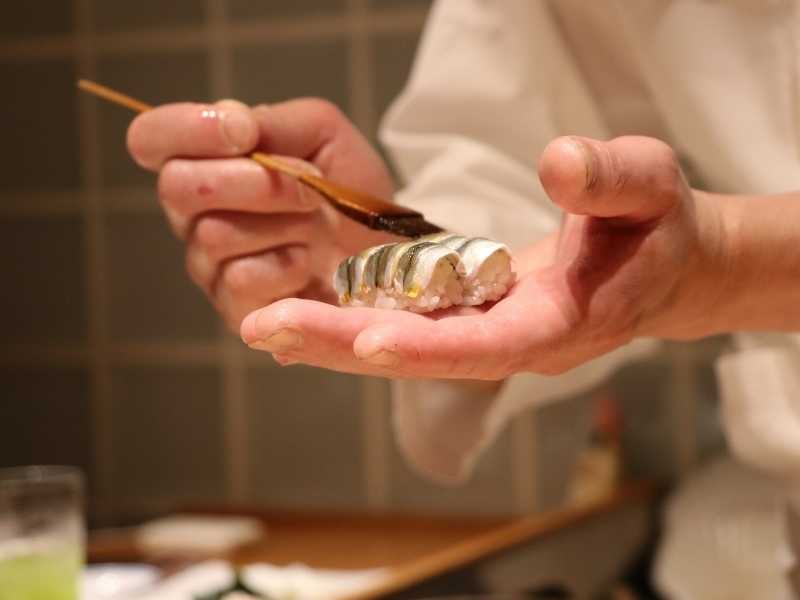
In Leblon, San Omakase offers an intimate Japanese experience guided by chef André Nobuyuki Kawai. The omakase format places full trust in the chef, with menus that emphasize technique, seasonality and authenticity.
Casa 201 blends French techniques with Brazilian ingredients. Chef João Paulo Frankenfeld creates evolving tasting menus that reflect both tradition and innovation, supported by thoughtful wine pairings.
Finally, Oseille, by Thomas Troisgros, brings a bistronomy approach inspired by Paris, while incorporating Brazilian and Asian influences. Its menus change frequently, reinforcing a dynamic and experimental identity.
Why Michelin-star dining matters in Rio de Janeiro
The presence of Michelin-starred restaurants in Rio de Janeiro reflects more than culinary excellence. It signals a broader evolution of the city’s lifestyle offering, where gastronomy plays a central role alongside beaches, culture and architecture.
For international visitors, these restaurants create a bridge between travel and high-end experiences. Many travelers now integrate fine dining into their stay, especially in neighborhoods like Ipanema, Leblon and Botafogo, where several of these establishments are located.
This dynamic also impacts the premium real estate market. Proximity to renowned restaurants increasingly contributes to the perceived value of a location, reinforcing the appeal of certain areas among buyers and short-term renters seeking a complete lifestyle experience.
A growing global recognition
The Michelin Guide’s continued presence in Rio de Janeiro confirms the city’s ability to compete internationally in gastronomy. The diversity of styles, from hyper-local Brazilian cuisine to Japanese omakase and pan-Asian fine dining, illustrates a market that is both mature and evolving.
As the 2026 selections are revealed, expectations remain high. Whether through new entries or the confirmation of existing stars, Rio continues to build a reputation that goes beyond tourism, positioning itself as a destination where lifestyle, culture and gastronomy converge at a global level.